
We Keep Imagining the End of the World. Here's how to Imagine Something Else.
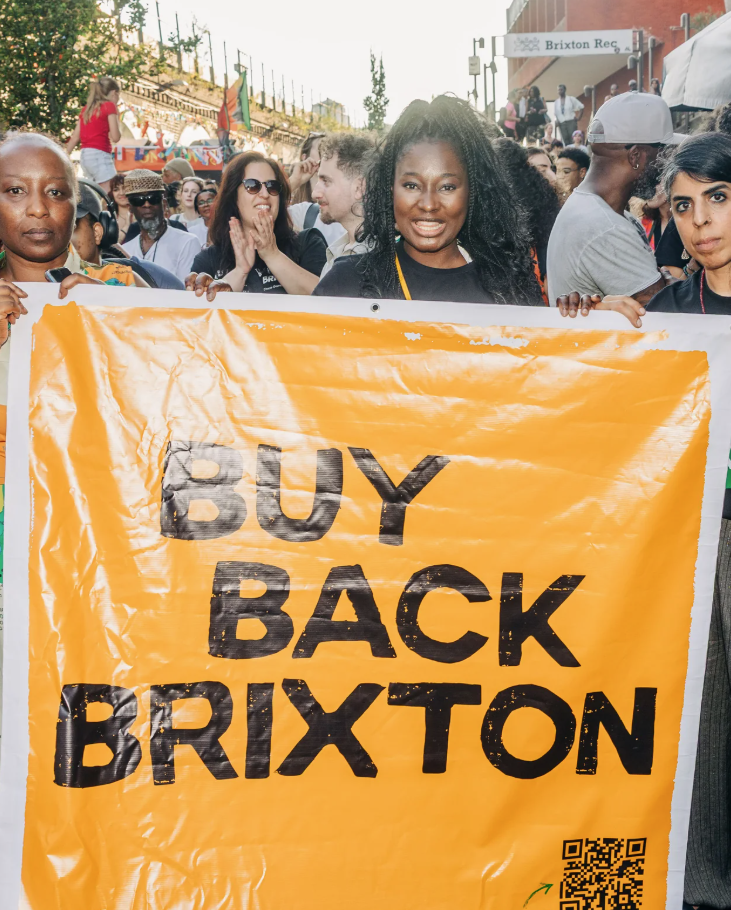
These cooperative neighbourhoods are proof that a regenerative economy isn't a distant theory. It has worked before, and it's working now, at a moment when more of us are ready to stop asking how to grow fairly and start asking the bigger question.
What I learned on my summer holiday (about learning, living, and the economy)
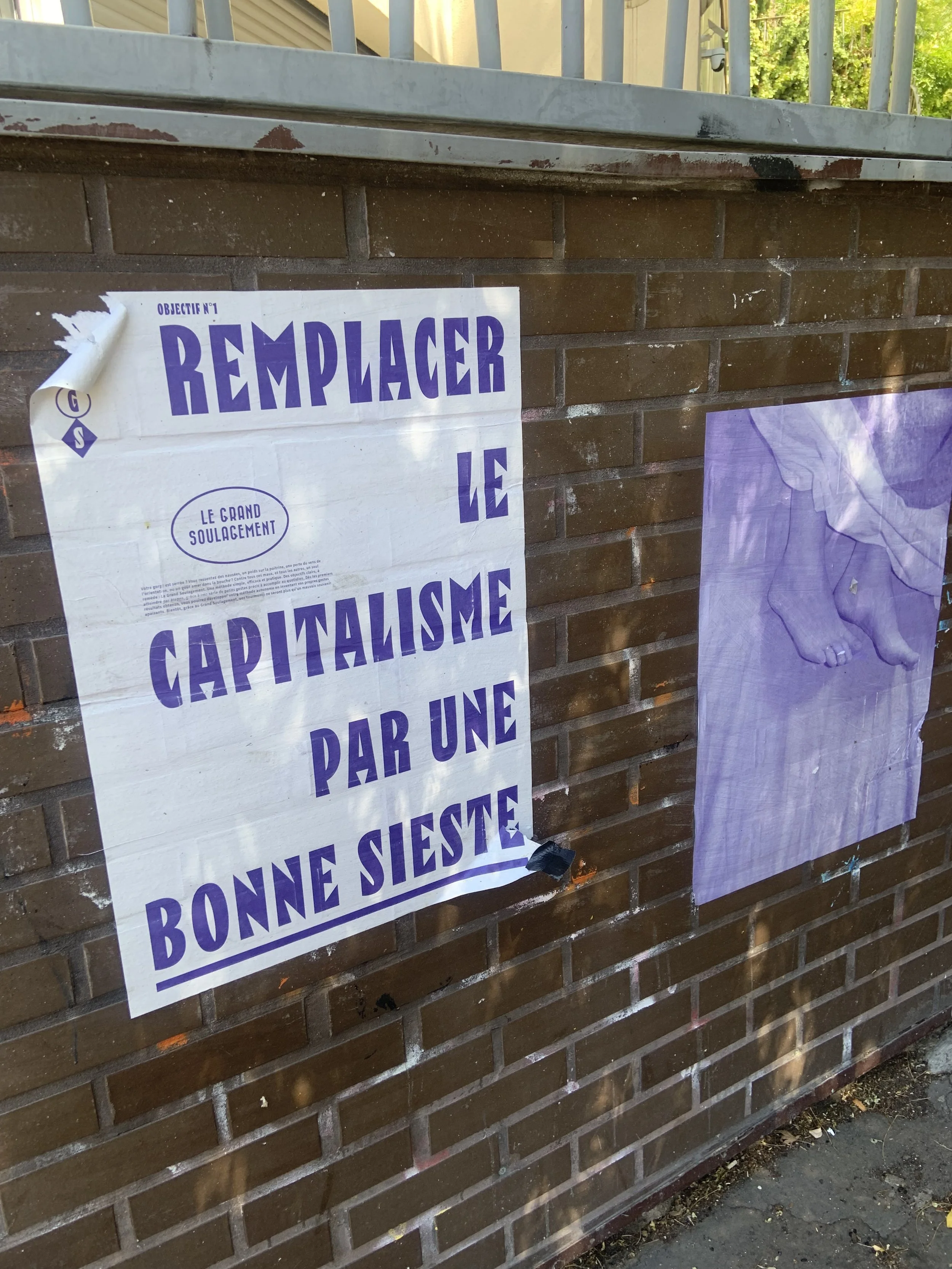
On my travels to Paris this summer, I came across gobs of indications that change is coming. These posters particularly delighted me. I’m not great at French, but even I can surmise the message is “Replace capitalism with a good nap.”
We Were Never Powerless. We Were Just Told We Were. And Then, We Began to Believe It… Let's Live a Different Story.
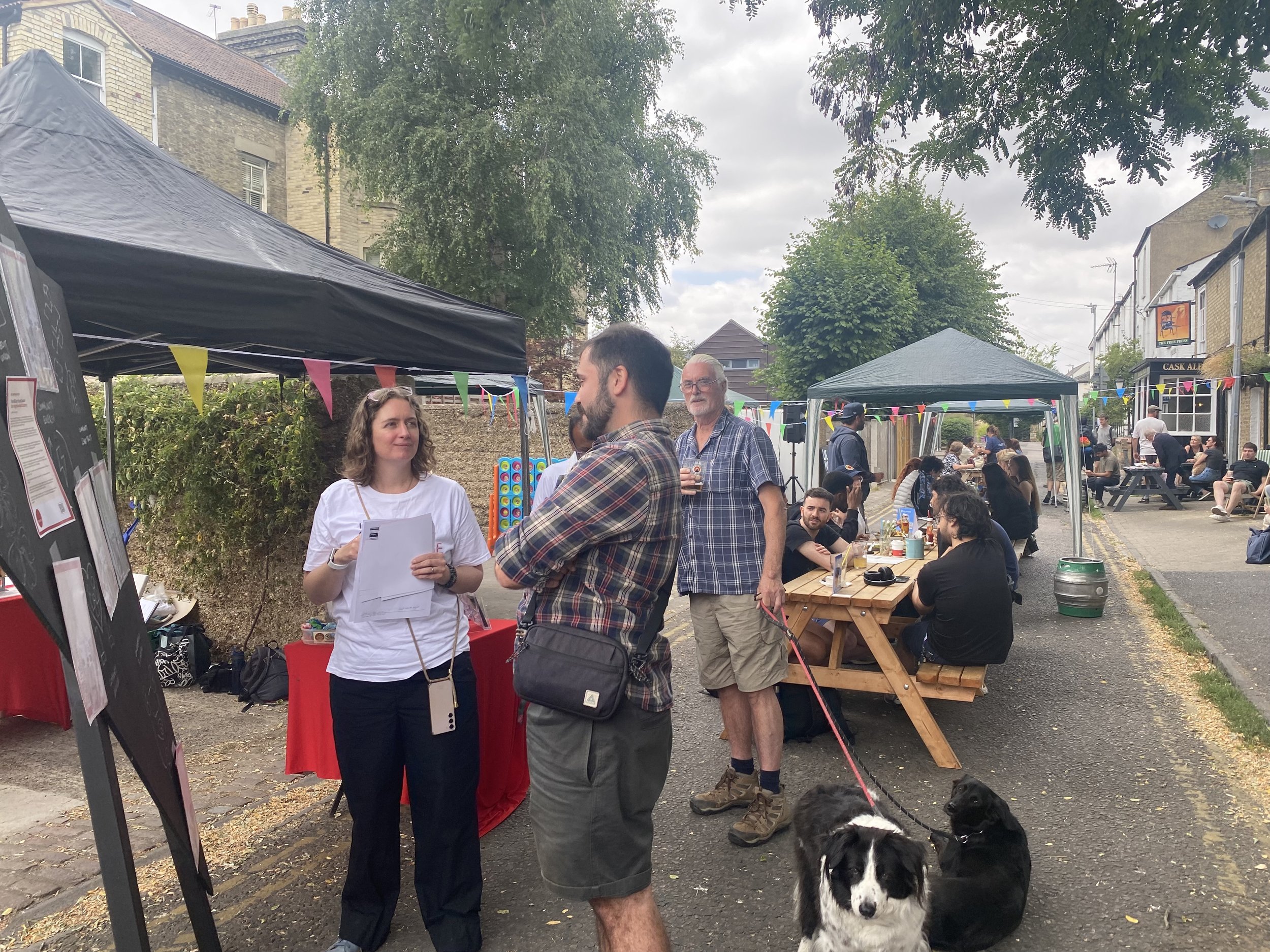
If enough of us develop the skills to map these constellations and build strategies around them, to get to the root of how our change journeys can result in meaningful transformation, be it through our activism, our workplaces, our schools, our sports clubs, we don't just change a neighbourhood. We change what the next generation believes is possible. We create, as Jon Alexander put it, the space for politics to move into.
Let's Stop Asking How to Grow Fairly — and Ask Something Bigger
Our economy is built to perpetuate growth. And the politicians and policymakers who mean well are still too wedded to business as usual to confront that destructive truth and transform it.
So let's do it ourselves.
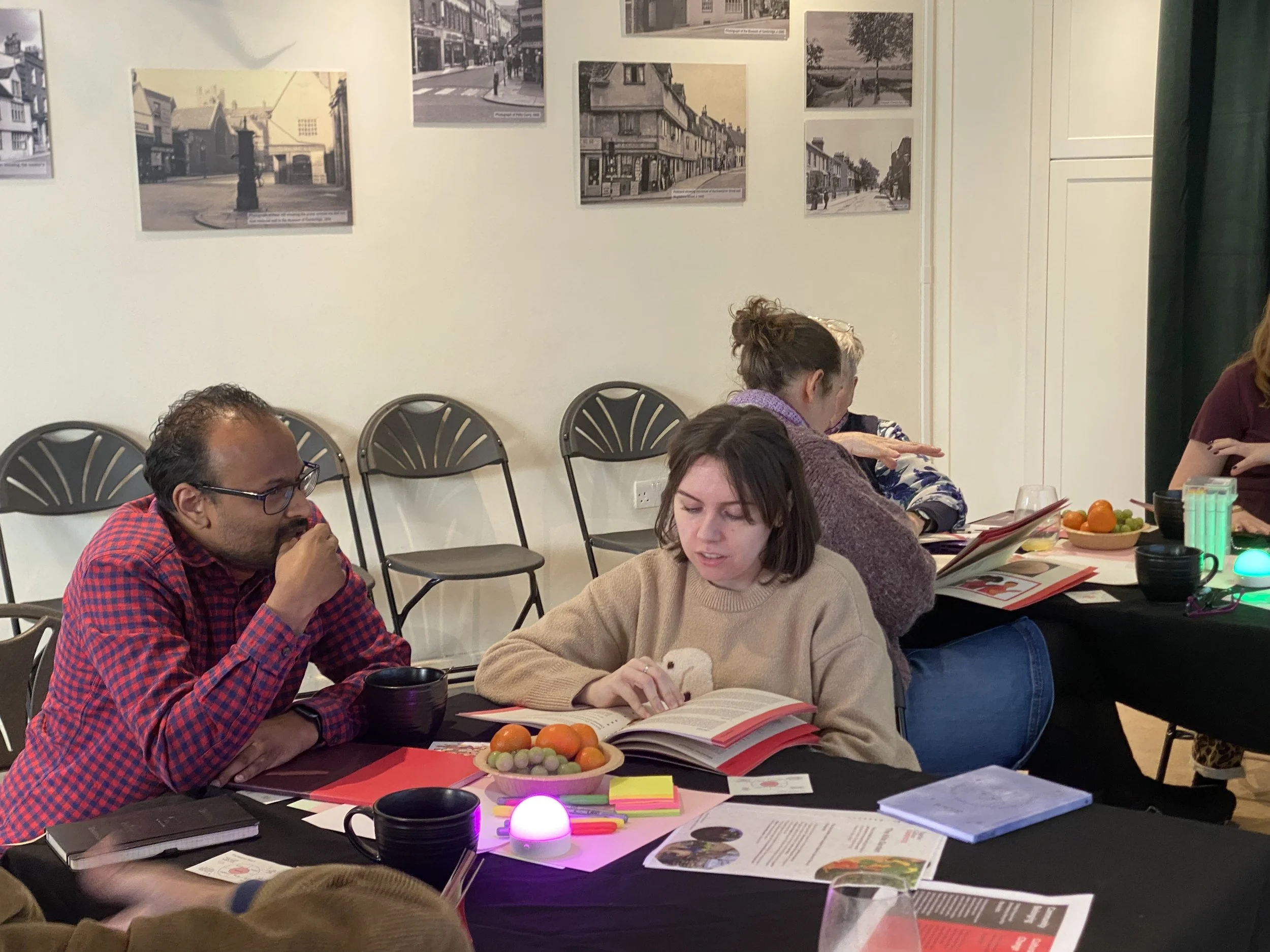
What We Practised at the Living Together Retreat, and Why it Matters for the Next Ten Years
Over time, we’ve become less collaborative - and we’ve built systems that reflect that, including the extractive, competitive economy we're living in now.
Which means we can build something different. Not by waiting for the right conditions or the right number of people. By deciding to practise differently, starting now, with the people around us who want the same thing.
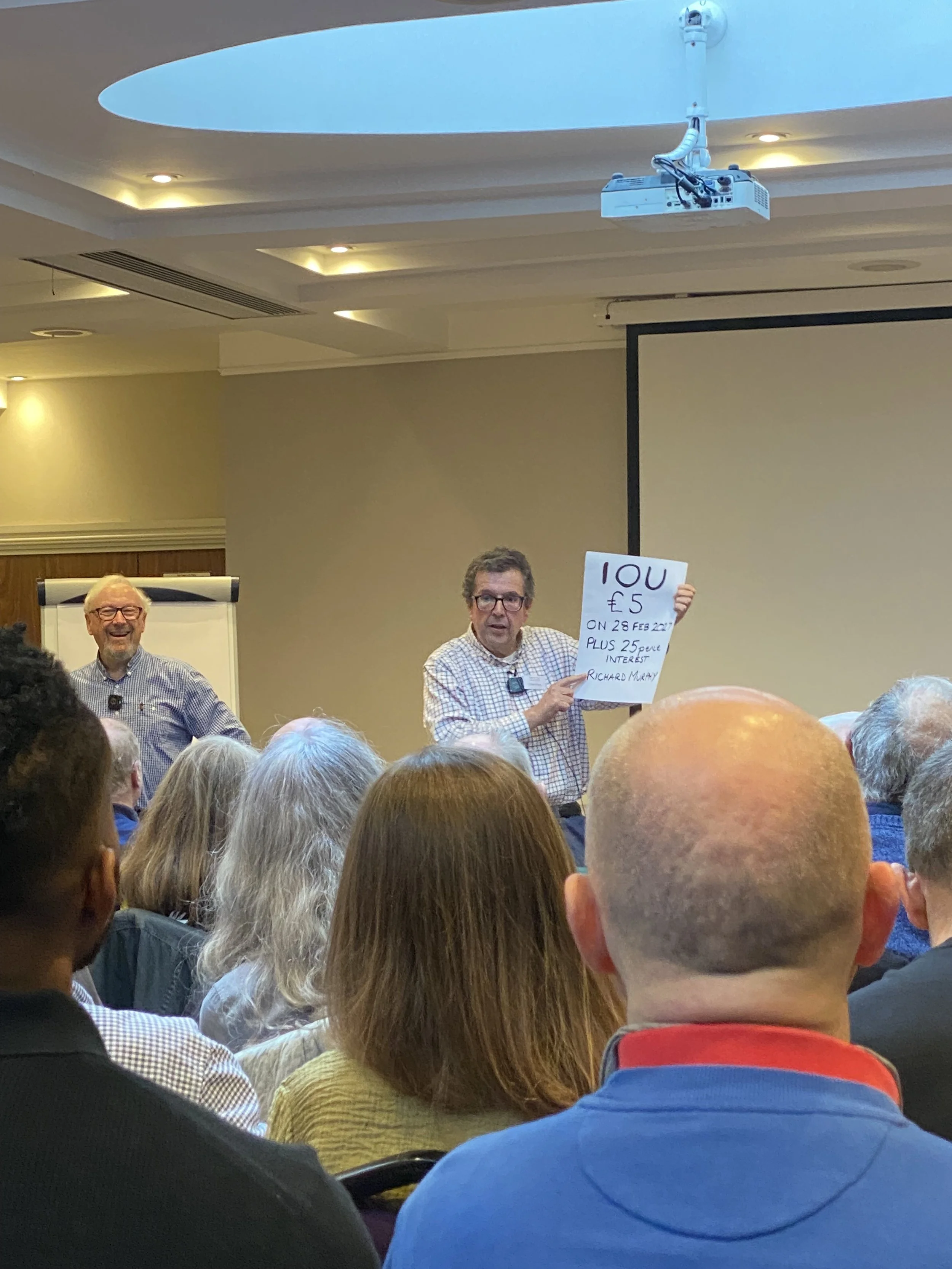
We’re All Economists
As citizens, we're all economists. By believing we’re not, we give our power away.
How We Live Together is the Economy We Create
The goal of a regenerative economy is not endless growth for a few. Growth still happens, but as part of a living cycle.
The Changemaker’s Toolkit | ‘Scarcity captures the mind’: moving from scarcity to abundance
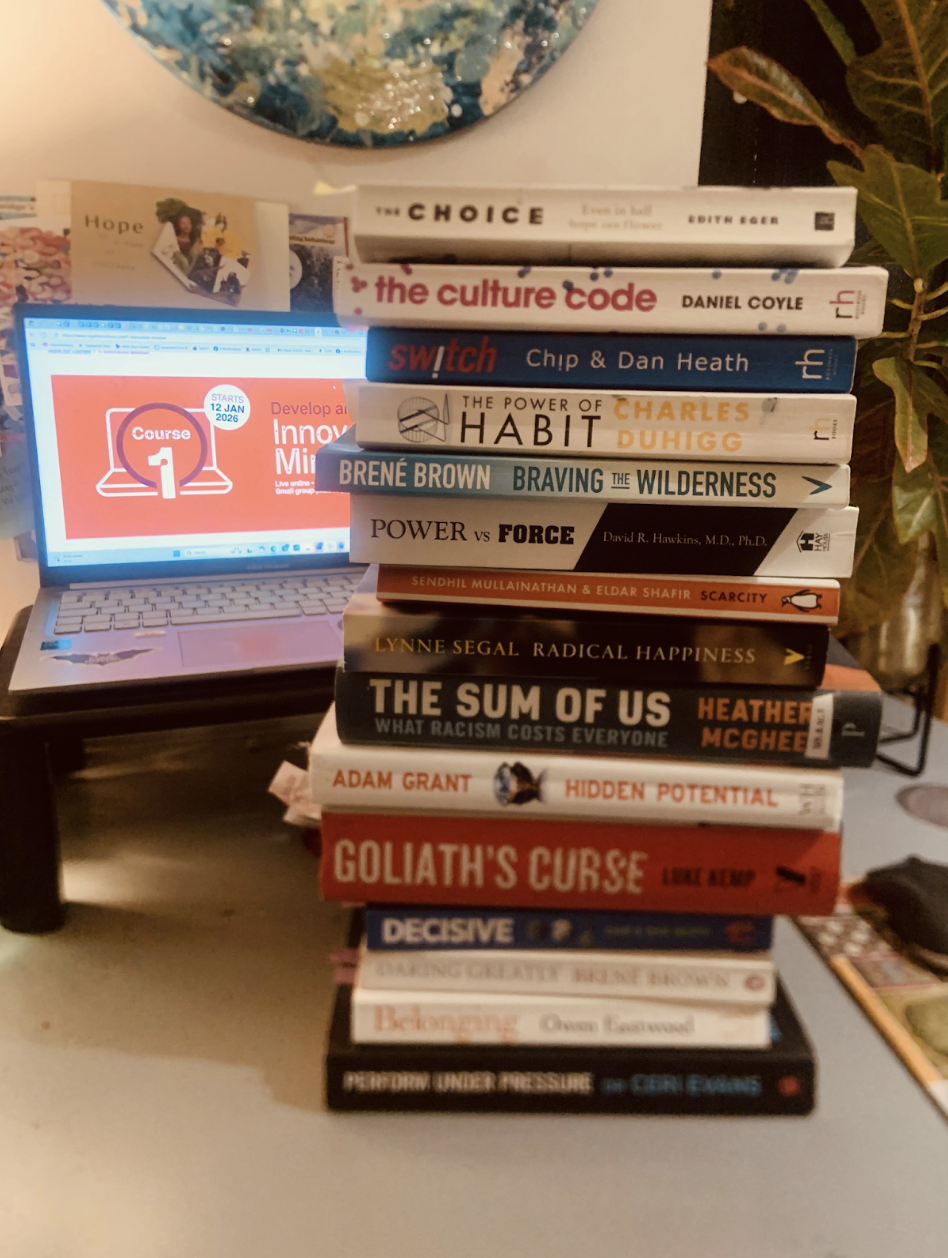
As they say, ‘scarcity captures the mind’. It causes us tunnel vision - we can’t see the forest for the trees. We have a shortage of bandwidth - we use our cognitive energy and abilities to focus on the scarcity problem. Which means, our tired and myopic brains make poor decisions and we don’t have the energy for ‘executive function’ - how we manage and organise our thoughts. Go on, try to resist the temptation of a piece of chocolate cake when you have limited bandwidth. Studies show it becomes FAR more difficult.
The Changemaker’s Toolkit | Moving Beyond ‘Change Theatre’
The amazing research team at the Good Shift, a systems thinking and change institute in Australia, have outlined seven different change worldviews. Seven. No wonder people often think they are on the same page, but when we dig into the deep work of change, we’re misaligned.
The Changemaker’s Toolkit | Are you creating a cocoon or a cage?
I was seven years old, staring at a toilet paper roll that was supposed to be an angel. It looked like a craft disaster. The wet glue felt sticky on my fingers, and I was gluing my own hand instead of the cardboard.
Innovation WITH Requires Different Ways of Thinking
The diminishing returns of economic growth have been demonstrated time and again. If Cambridge really is a city of world-shaping ideas, where is the space for a deepened understanding of different perceptions of economic reality and possibility?
Samhain: Notes on Building a Regenerative Economy
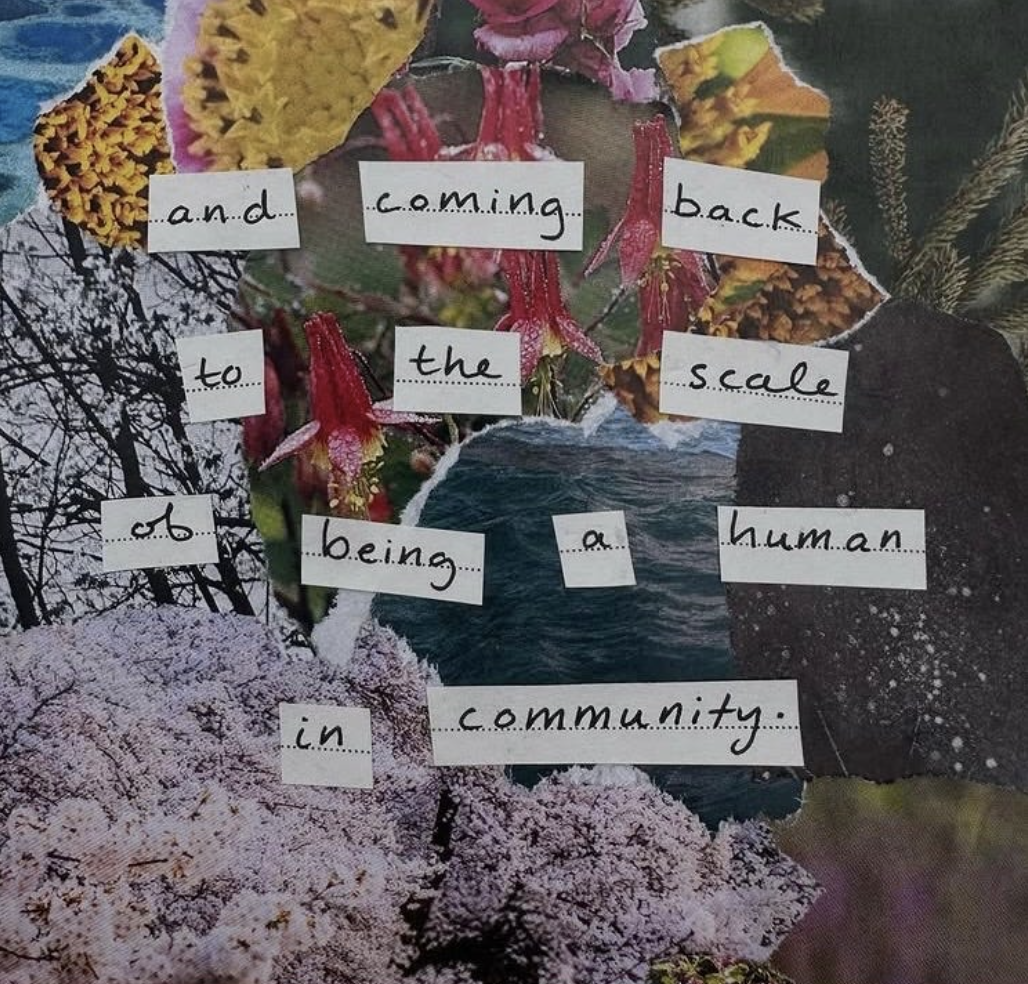
For humans to survive, our collective need is a radical shift towards a regenerative (not extractive) relationship with nature. This will only happen at the scale necessary if we fundamentally shift our thinking about our relationship with the natural world.

The Changemaker’s Toolkit | Is Disagreement a Tool for Change?
“Go where the tension is”, is a phrase a dear friend of mine who is a seasoned facilitator and quantitative researcher loves to use. Why? Think about a rubber band pulled as tense as possible. The only way beyond the tension is release - and when the band releases, it flies.
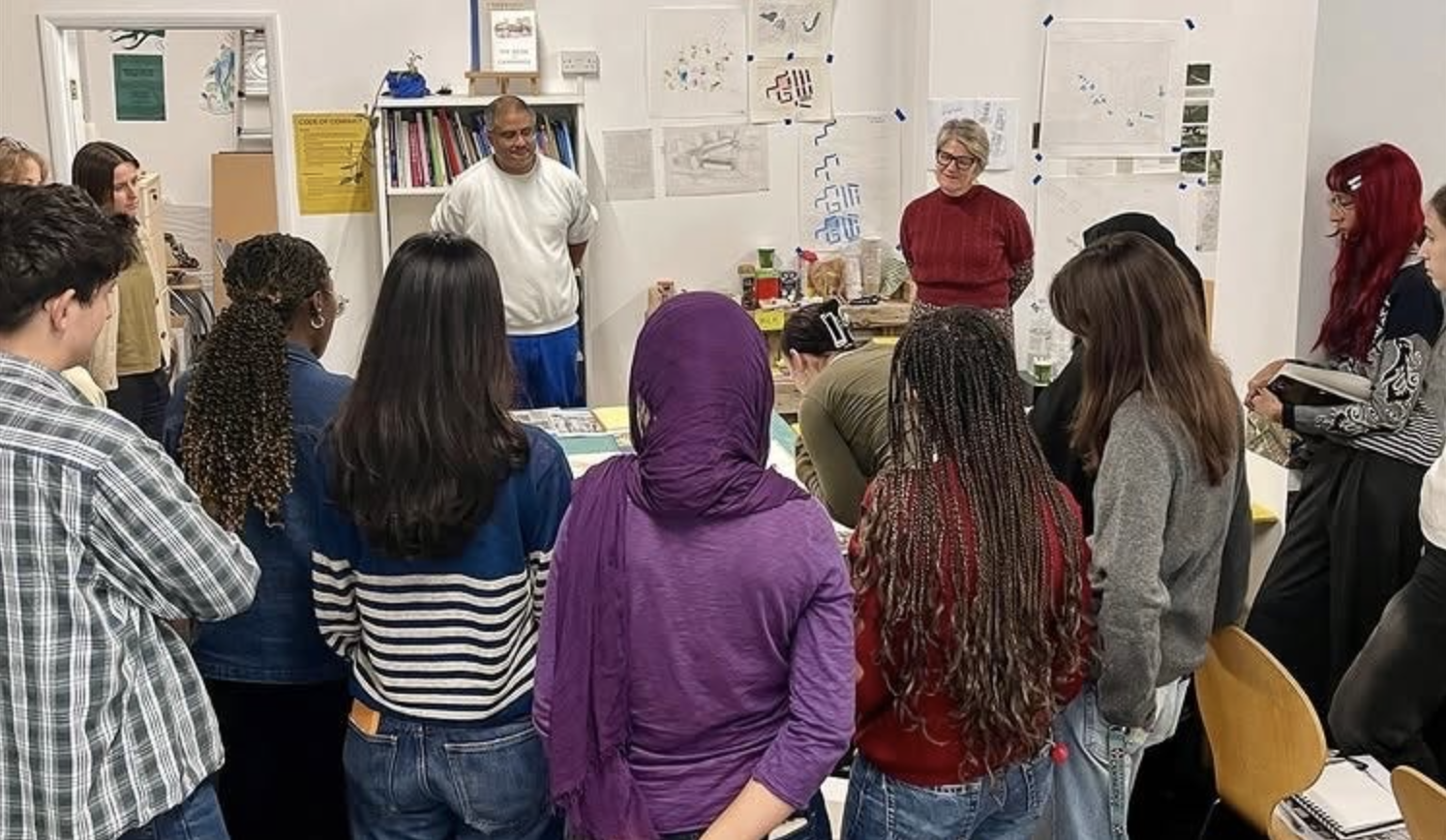
We Dwell in Possibility: Community Power
WE are the powerful. We must believe it for it to be true. That starts by editing the story we tell ourselves about our perceived limits.
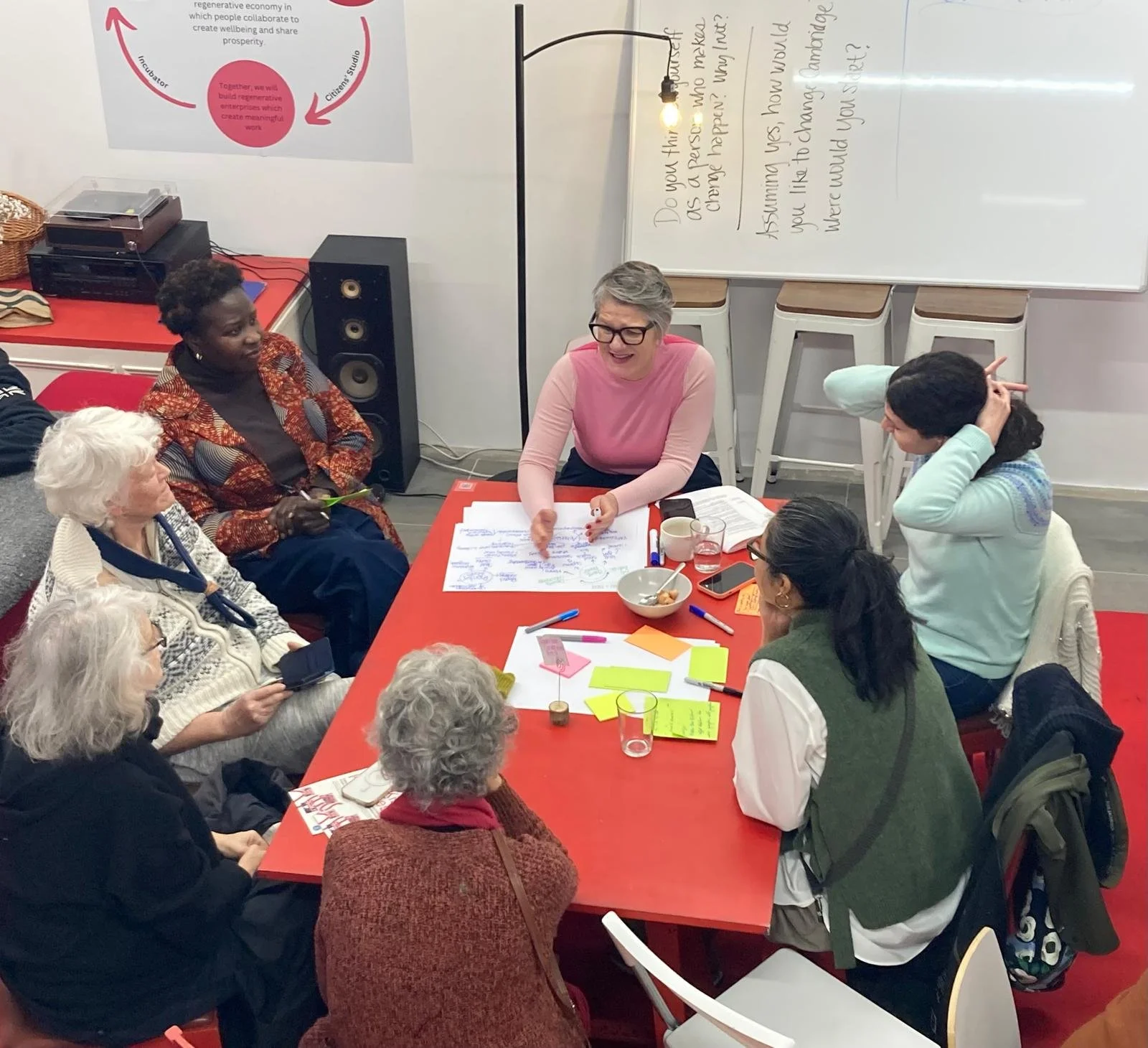
The Changemaker’s Toolkit | Developing an Innovation Mindset Starts with Putting Imposter Syndrome in its Place (the Dustbin)
‘It’s more apt to say that what I am feeling is fear. That’s a perfectly normal human feeling and when I think of the Pink Panther, I quickly reject the idea that I’m an imposter.’
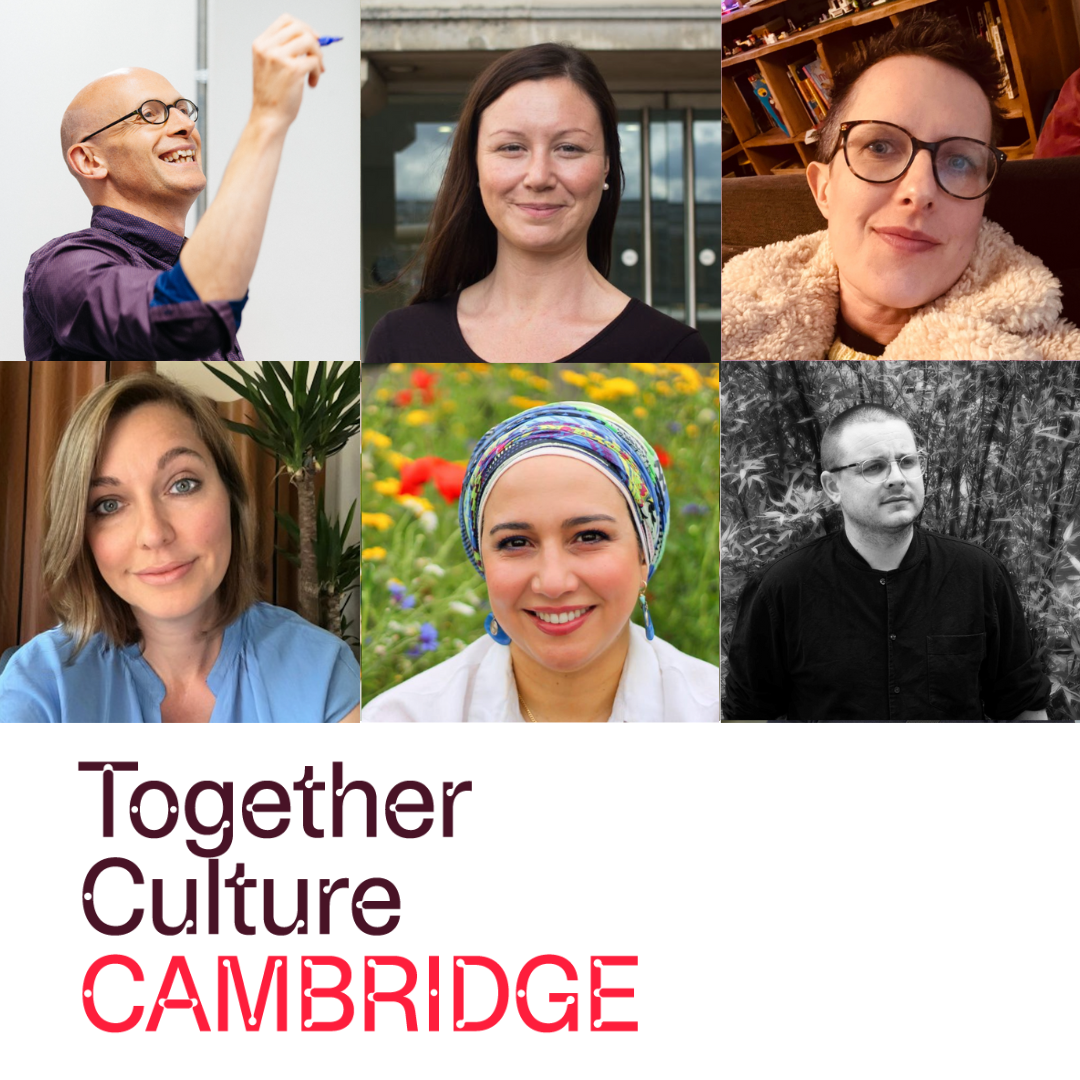
Introducing Together Culture CIC’s Community Development Team
If you haven’t met the team at Fitzroy Street or in our online community rooms, please allow me to introduce you to the Together Culture CIC Community Development Team.

Introducing Together Culture CIC’s Non Executive Director Board
If you haven’t met the team at Fitzroy Street or in our online community rooms, please allow me to introduce you to the Together Culture CIC Non Executive Board of Directors.

We are Together Culture: Meet Akua
Together Culture is strong in making things happen and demonstrating that groundswell can build when we approach things with curiosity and openness to change. The vision has been informed by those who engage and it feels live and responsive.

Together Culture Connections: Meet Peter and Yvon
The vision and the forward-looking intentions of Together Culture in this area in Cambridge and as a community are inspiring.

We are Together Culture: Meet Caroline
The enthusiasm, encouragement and support from everyone has helped me to focus, be accountable and build momentum in my business.