Samhain: Notes on Building a Regenerative Economy
“...any approach to understanding the economy is based on a core set of social norms, logics, and beliefs. This includes assumptions about human nature, behaviour, motivation, and wellbeing as well as how humans relate to nature.”
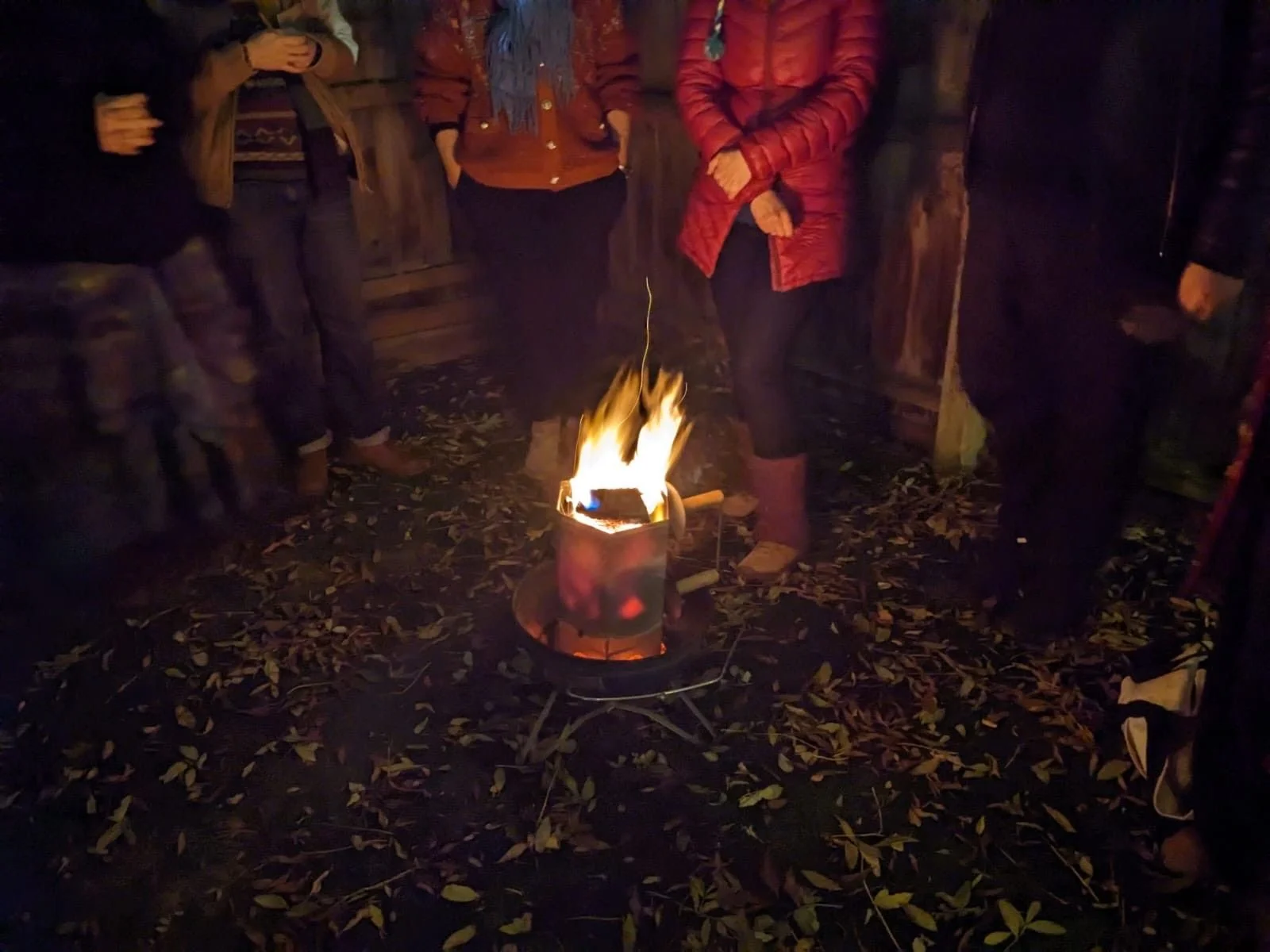
This autumn, Together Culture gathered to celebrate the ancient Celtic festival of Samhain.
What does this have to do with economic change? Everything.
Our relationship with the natural world and the processes of harnessing resources for human needs (energy, shelter, warmth, nutrition) underpin our economic actions. For humans to survive, our collective need is a radical shift towards a regenerative (not extractive) relationship with nature. This will only happen at the scale necessary if we fundamentally shift our thinking about our relationship with the natural world. Rituals like Samhain, when we pause to reflect that humans are a part of nature, helps to shift our cultural norms in the direction necessary to build a regenerative economy.
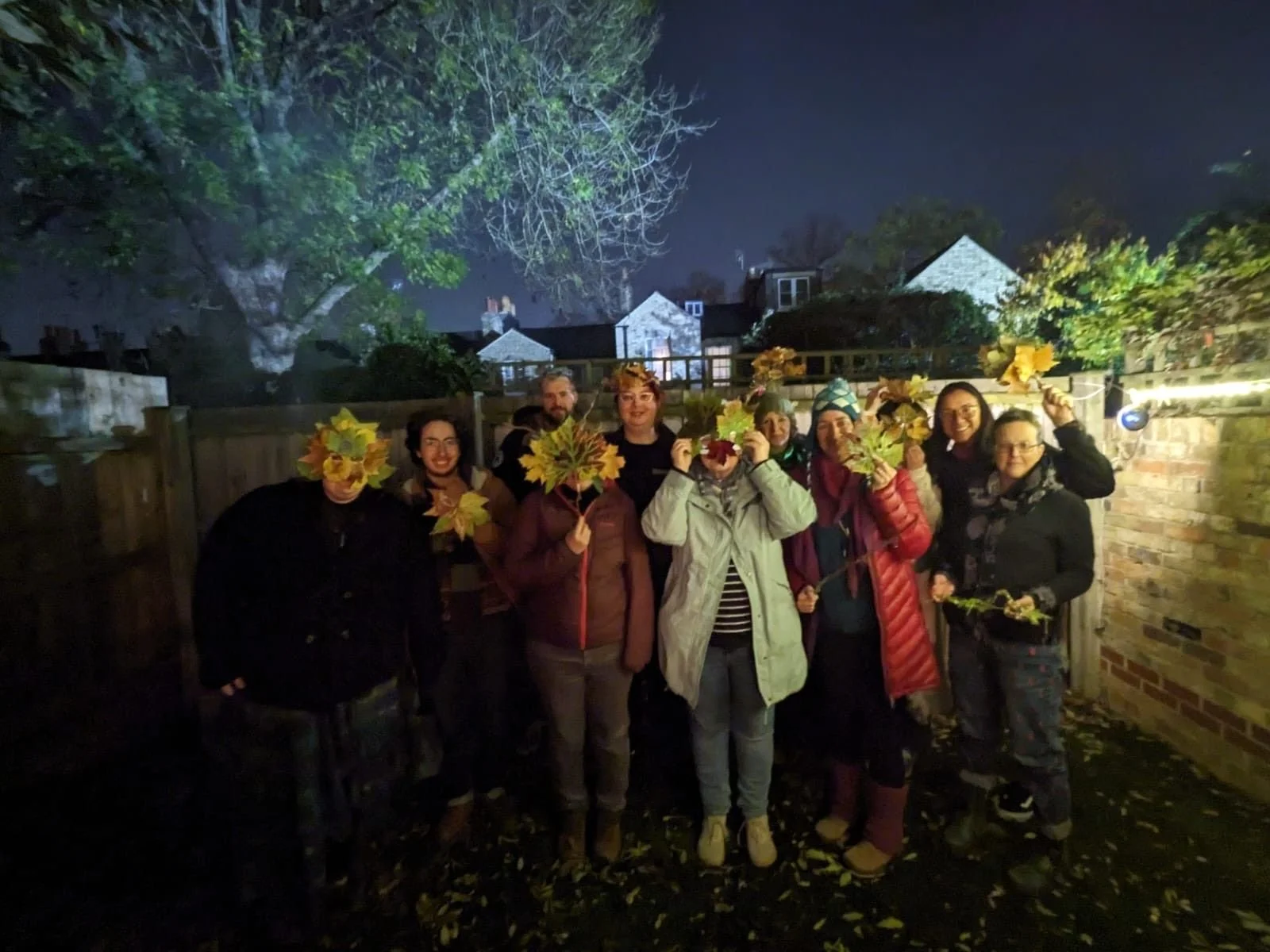
Together Culture’s Samhain celebration in 2025
Samhain also helps us to reconsider our relationship with one another - and the origins of those relations. Last night, we lit candles for ten people accused of witchcraft and then murdered in Pendle, Lancashire in 1612.
What does this have to do with economic change? Everything.
Two years ago, Together Culture welcomed Dr Malcolm Gaskill to Fitzroy Street, where he discussed his research into witch trials. The systemic origin of most witch trials is a fight for resources in 'power over' societies. There is a correlation between witch trials and capitalist driven peaks of drastic social inequality. When neighbours are struggling and competing with one another to survive because wealth has been hoarded by a few, they get scared, angry and want to 'take back control'. People feel powerless to fight the oligarchs and instead, look locally at what is within their sphere of influence for solutions. In a time when mysticism and religious doctrine deeply influenced how people made sense of the world, 'witches' took the blame.
Does this pattern sound familiar? Today, replace the word 'witch' with whomever is being oppressed and blamed for another's insecurity. Consider this not only from a social, but an economic lens. There is most likely an interdependence.
Gatherings like our seasonal Samhain celebration are important for people to deepen their understanding of the world around us and the power we have as communities to change it. How we think, what we believe, dictates how we act.
Rebuilding our economy requires 'altitude shifting'. True inclusive innovation begins with an exploration of what is meaningful for us collectively and that is best explored on a community level. Micro and macro experiences are interwoven and in alignment in a radically inclusive and ecological economy.