Innovation WITH Requires Different Ways of Thinking
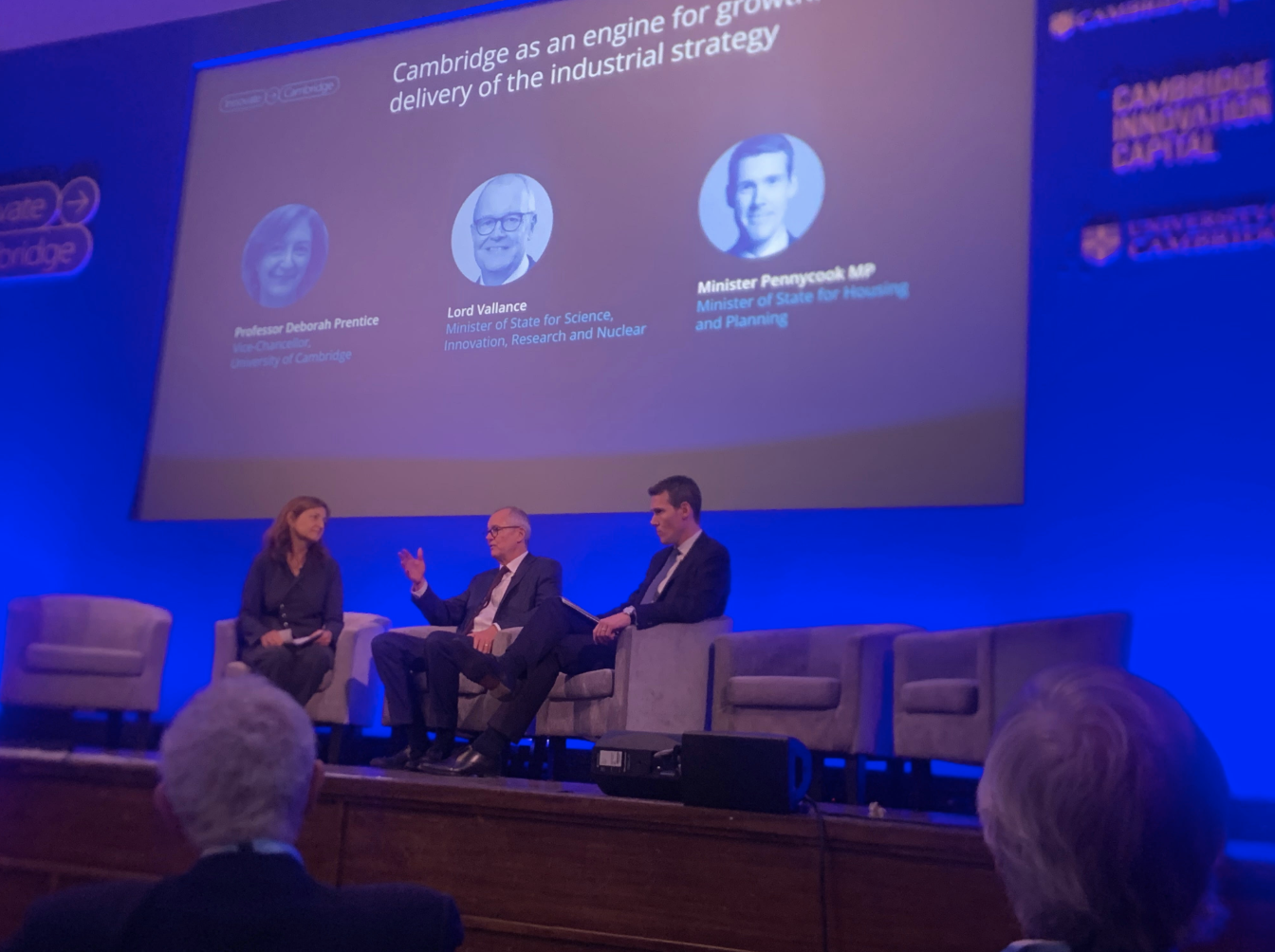
The Innovate Cambridge Summit in Oct 2025.
“…innovations will fail, it’s part of the process. It works because failure doesn’t lead to seismic life disruption. The community picks you up and quickly you move onwards.”
I’m paraphrasing Lord Vallance at October’s Innovate Cambridge Summit.
He was talking about the vision for the £15m Innovation Hub the Government is investing to have built in Cambridge.
Yet, it is how I would describe a vision for an entire innovative economy. One that is structured for all of us to live in supportive community, not merely the actors in a specific sector. In fact, it’s how I would describe the economic system of the old Kite neighbourhood of Cambridge - before it was demolished in the name of growth.
Copenhagen was mentioned several times as a city with a standard of living to which Cambridge should aspire. Having lived in Copenhagen for 7 years after studying at the business school, I agree. But, getting there is going to require adopting a different worldview.
Danes have deep seated belief in equity. Janteloven (The Law of Jante) is central to culture: the collective is more important than the individual. No one profession is better than another; undergraduates are paid to study philosophy as well as engineering as both add value to society. The 127% pay gap between CEOs and the average employee in the UK is much lower in Denmark, with the lowest paid employees taking home around £2300 per month. Property valuations are regulated and diplomats and longshoremen live in the same block of flats (as was the case in my building!).
There was one worldview, one view of how change happens, one economic model, one brand of innovation discussed at the summit - all in the name of growth. The inclusion vision offered mainly provided opportunities for young people to fit this specific mould.
At one point, Dame Ottoline Leyser encouraged the gathering to be conscious of the prepositions being used.
Innovation was being done FOR the people.
She asked why the preposition WITH wasn’t the default.
Indeed.
WITH would require exploring different ways of thinking. Different values. Different ways of making meaning. Different views of scale. Different approaches to how change happens. And very likely, different intended outcomes. That is the democratisation of our economy.
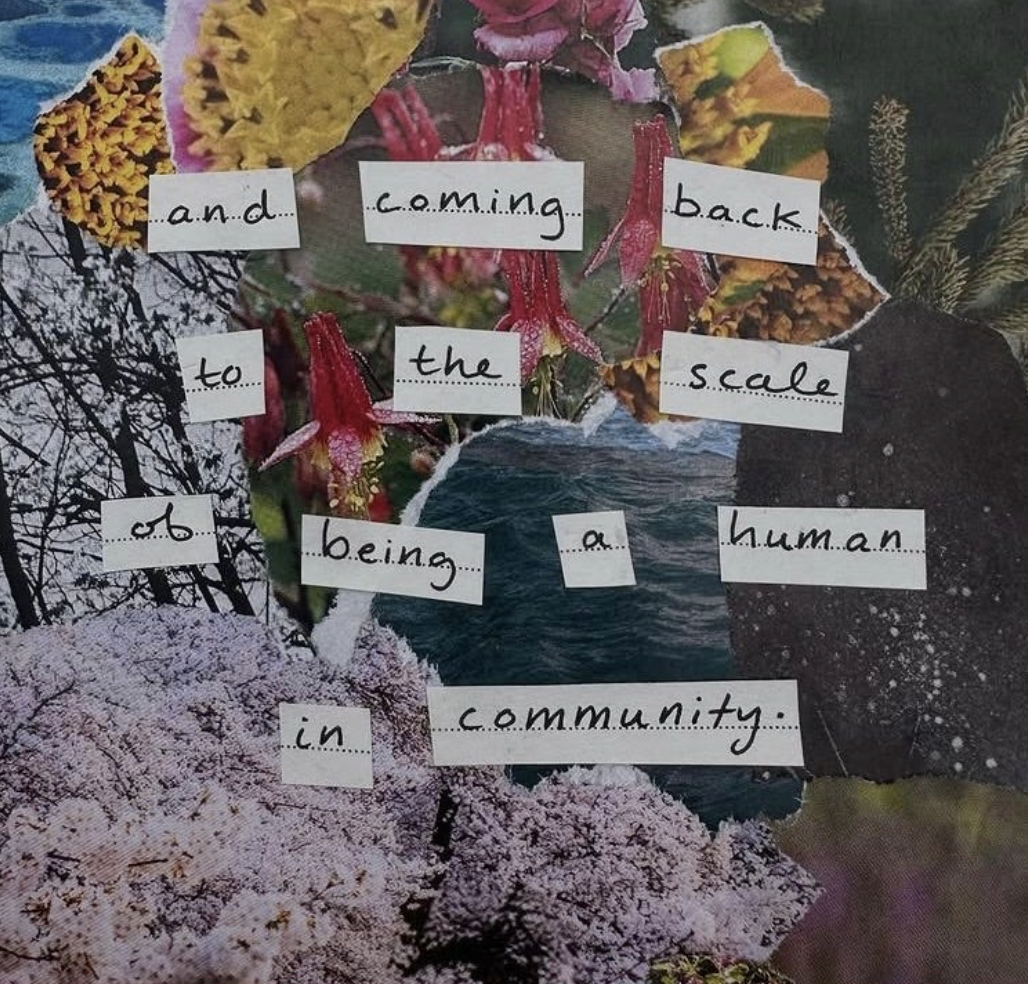
I had the rare workday delight of being sat next to my partner who is a computational biologist and works in life sciences. However, neither of us saw ourselves in the vision for Cambridge being described.
The diminishing returns of economic growth have been demonstrated time and again. If Cambridge really is a city of world-shaping ideas, where is the space for a deepened understanding of different perceptions of economic reality and possibility?
If we truly want to emulate Scandinavia, we have much more socio-economic innovation to do. We’re not ready to decide on a framework until we learn from our heritage, embrace diversity of thought and knowledge and truly share power.