What We Practised at the Living Together Retreat, and Why it Matters for the Next Ten Years
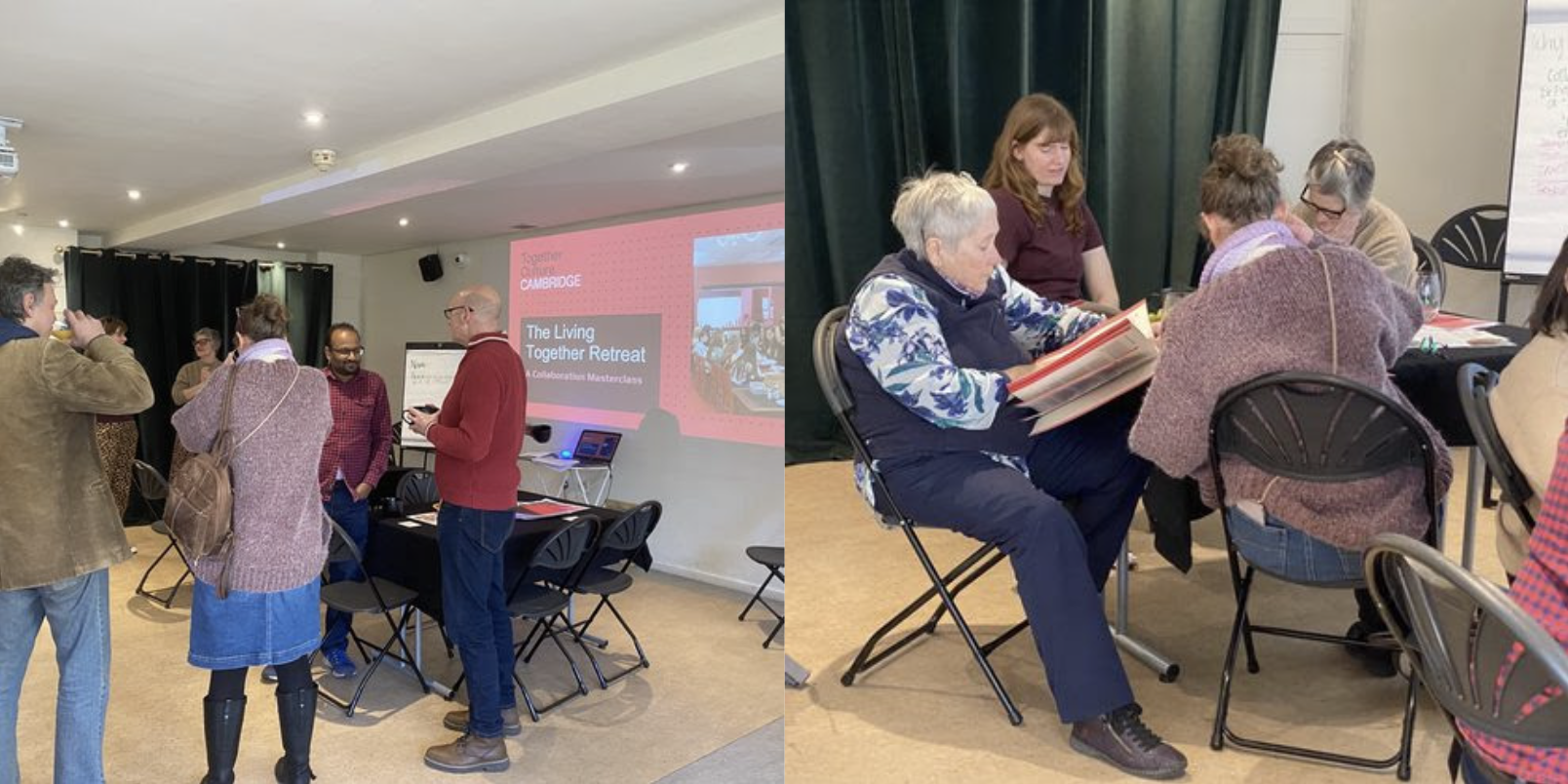
On Saturday 14 March 2026, Together Culture members came together for our first ever Living Together Retreat.
It was a gathering with a simple but ambitious purpose: to get deliberate about practising the skills and behaviours that make true, power-sharing collaboration possible.
We started with the story
Most teams have an action bias. We jump straight to the to-do list, the agenda, the deliverables. But the real problems live in the story that hasn't been told yet.
Why are we doing this? What do we actually value? How do we want to show up for each other?
We used a tool called the Team Wheel to slow down and build that shared story first. The result was clearer purpose, more genuine ownership, and collaboration that actually felt different from the inside.
Then we explored a tool that helps us to understand our reactions
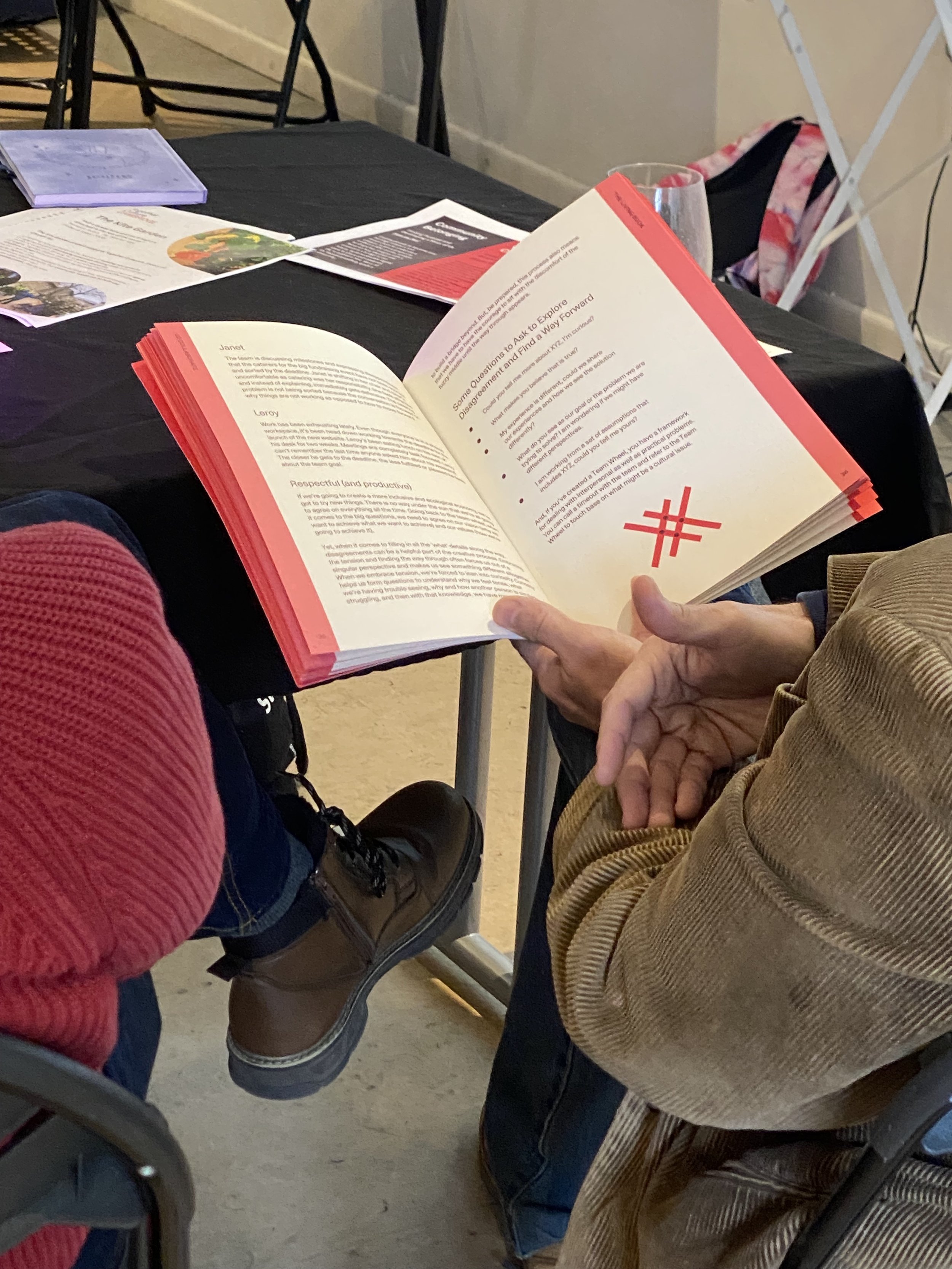
We explored the SCARF model — a brain-based framework developed by leadership researcher David Rock that helps us understand what's actually happening when a colleague goes quiet, or reactive, or suddenly disengages. It turns out it's rarely about the agenda item. It's about whether something deeper — status, fairness, autonomy — has felt threatened, often without anyone intending it.
Understanding that changes everything about how you show up in a room, and it's a learnable skill. We've all been shaped by an economy that rewards competition and self-protection. That conditioning runs deep. But it can be unlearned, with practice, alongside people who are committed to doing the same.
We talked about what it actually takes to build trust
Trust isn't a team away-day. It's not a values poster. It's not one vulnerable moment in a workshop. It has to be practised, consistently, over time, until it becomes simply how you do things.
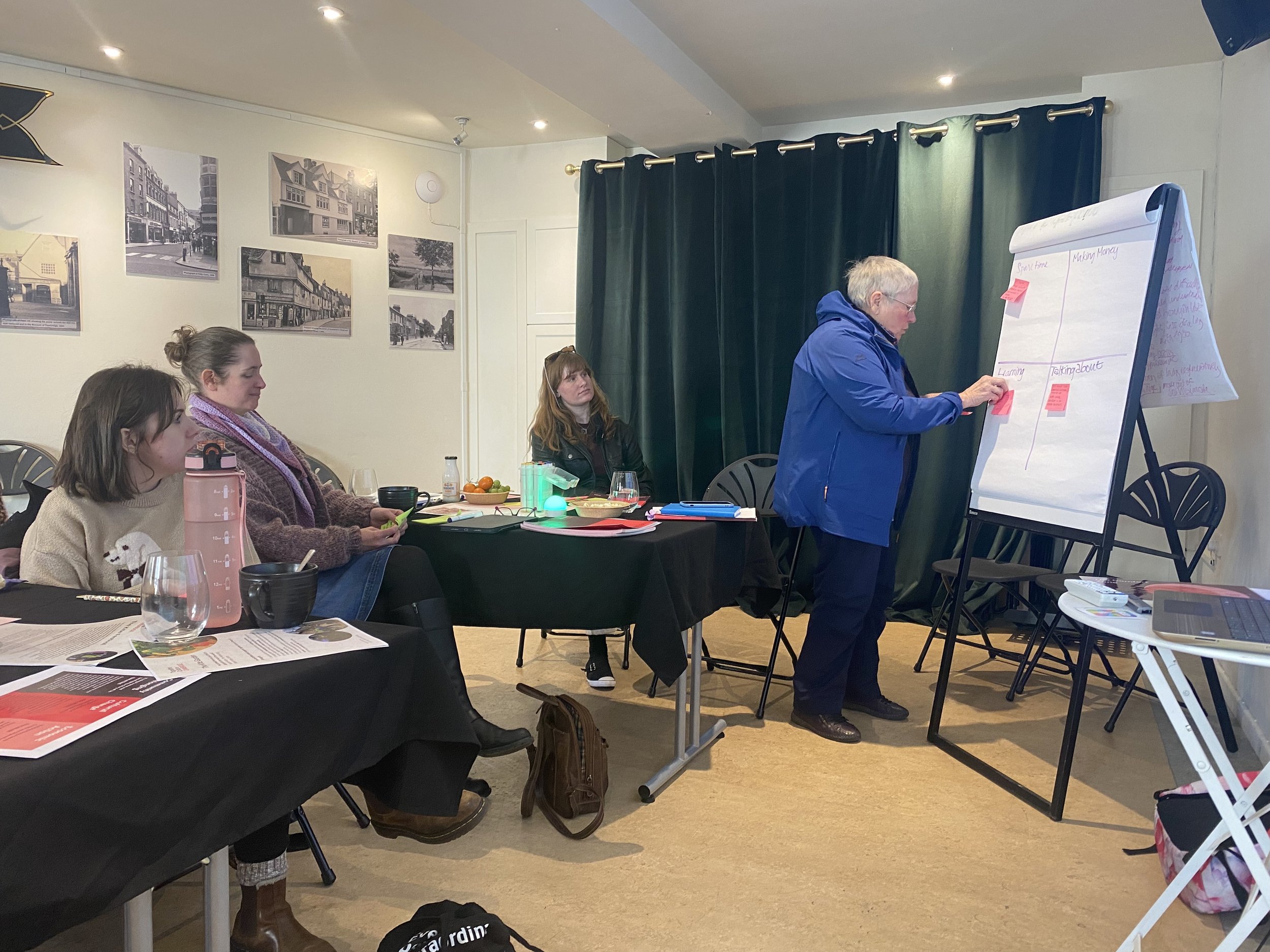
One of the simplest tools we use for this is the Weather Report. Before diving into an agenda, we take a moment to share how we're actually doing. It costs nothing, takes minutes, and it changes what becomes possible when you start to work together.
“I will definitely be introducing personal weather reports into my daily practice both to ensure I turn up ready for my team, but also to help them work more effectively and compassionately too.”
Trust doesn't scale broadly. It scales deeply, at the speed of consistency. Small rituals, practised deliberately, every time we gather. That's how it accumulates.
And then we made bog joggers
Yes, really. As part of our very own Bog Fashion Show, we explored what Bronze Age textile traditions can teach us about culture, systems, and what humans are actually capable of when they work together.
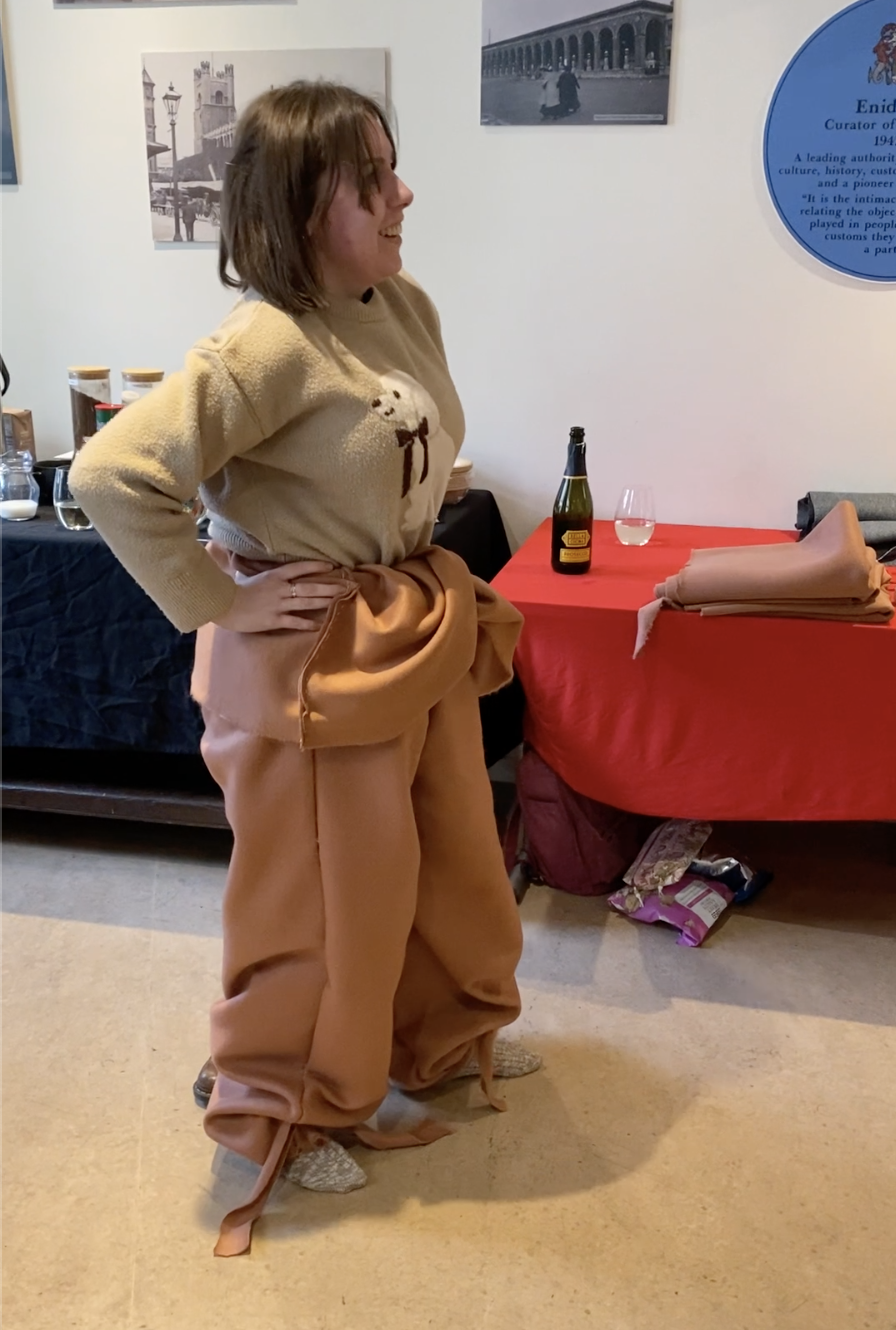
Here's what struck us: those early humans were industrious, creative, and deeply collaborative. They worked with natural resources regeneratively. They made meaning through how they dressed, how they made things, how they showed up for each other. They practised their collaborative culture and passed it on.
Over time, we’ve become less collaborative - and we’ve built systems that reflect that, including the extractive, competitive economy we're living in now.
Which means we can build something different. Not by waiting for the right conditions or the right number of people. By deciding to practise differently, starting now, with the people around us who want the same thing.
The bog jogger is optional. The commitment isn't.
What This Means For How We’re Working Differently
All of this isn't just community activity for its own sake. It's deliberate, repeated, accumulating practice in the skills that make a different kind of system possible.
But dreaming big is sometimes harder than it sounds.
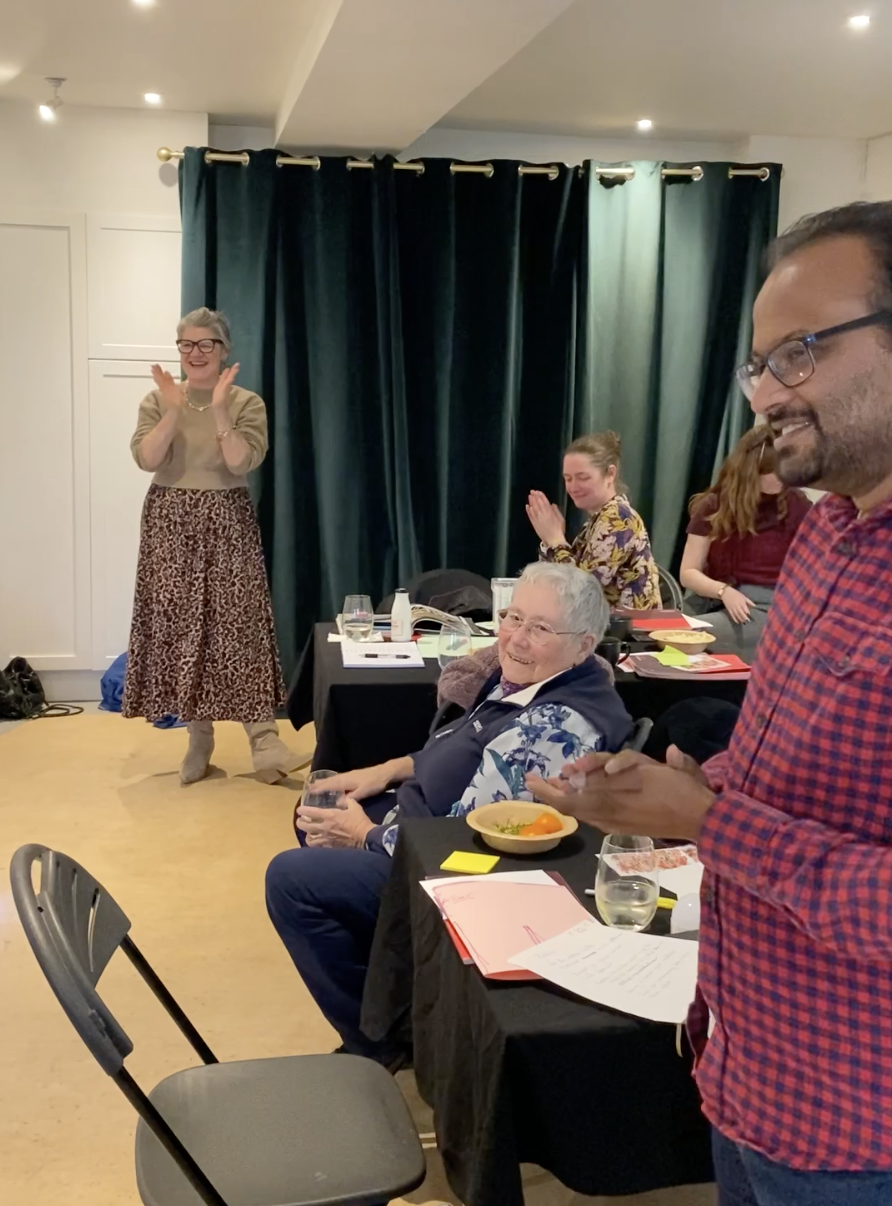
Activist and writer Rob Hopkins argues we're living through an imagination crisis — not because humans have lost the capacity to imagine, but because we've built a world that systematically discourages it.
The muscle is underused. And when we try to stretch it into genuinely different futures, we keep bumping into the same invisible ceiling: the mental models shaped by the world we've already lived in. Competition. Extraction. The quiet assumption that things can't really change.
The good news? Muscles can be rebuilt. But not alone, and not quickly. It takes practice, and it takes other people willing to push past the edges of what feels realistic — together, over time.
That's exactly what our two new ten-year projects are designed to do.
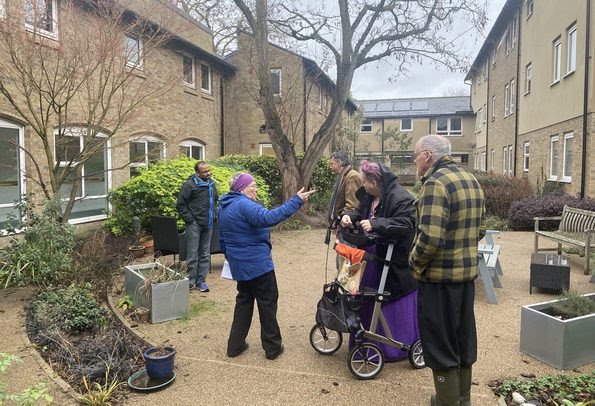
The Kite Garden at Brandon Court
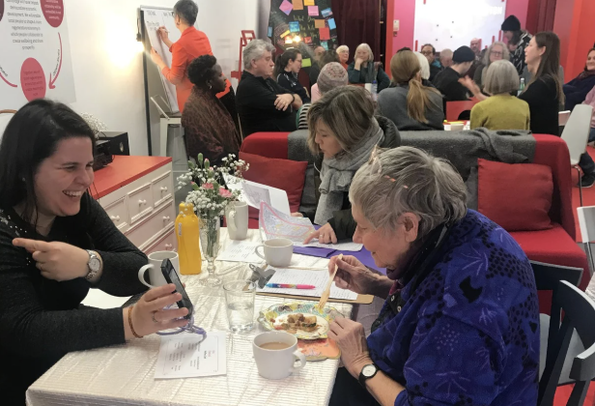
The Kite Festival 2025
The Kite Permaculture Garden at Brandon Court is a multi-generational project where we're learning from nature about how to think like an ecosystem. Not just a garden — a living classroom for regenerative thinking, built with the community, not for it.
The Kite Heritage Festival will unearth and celebrate the contribution of working-class culture to Cambridge innovation. Not a one-off event — a long-term act of narrative shift, building the kind of story that helps a community see itself and its power differently.
Both projects have been shaped using the Future Backwards tool, which asks you to start ten years ahead, in the future you actually want to create, and work backwards from there. It's a deliberately different way of planning, designed to interrupt the mental models that keep us constrained by what already exists.
Want to get involved in one of our ten-year projects? Browse our upcoming events, or email Ellie to say hi and find out more.