
You can already see what needs to change.
Now build the conditions that make it possible.
Groundwork
A six-month programme to build the practical frameworks and the cultural change tools to move your regenerative work into lasting impact
6 months · 13 fortnightly sessions · Maximum 6 participants
· Next cohort begins 2 November
To learn more, book a free 15-minute call:
A note from Heather, your facilitator
You've already done the hard part:
you've started to see differently
Groundwork is built for people who are already working on regenerative change and hitting a ceiling. You know the theory. Something is still not quite translating into the culture shift you know is possible.
Let’s lighten your load
Most of us working toward a different economy spend a lot of energy bringing people to the starting line. Explaining the vision. Justifying the approach. Navigating organisations and cultures that keep pulling back toward the status quo.
What if you were working with people who share your perspective to develop the culture-changing skills to create impact?
Groundwork is a six month digital co-learning programme full of joy, new skills, new strategies, and new friends.
We start in a different place than most programmes: with how we unlock the attitudes, beliefs and behaviours to transform our economy.
From that foundation, the cultural change strategies arrive — finding and shifting the stories that block change, building a tipping point strategy grounded in science, co-creating with the people change belongs to, designing communities where belonging is built in. Evidence-based, directly applicable to your scenario, and significantly more powerful with the collaboration foundation underneath them.
You leave with a Cultural Change Blueprint specific to your context and a crew of people who did the hard thinking alongside you and aren't going anywhere.
SIX MONTHS
How the programme unfolds
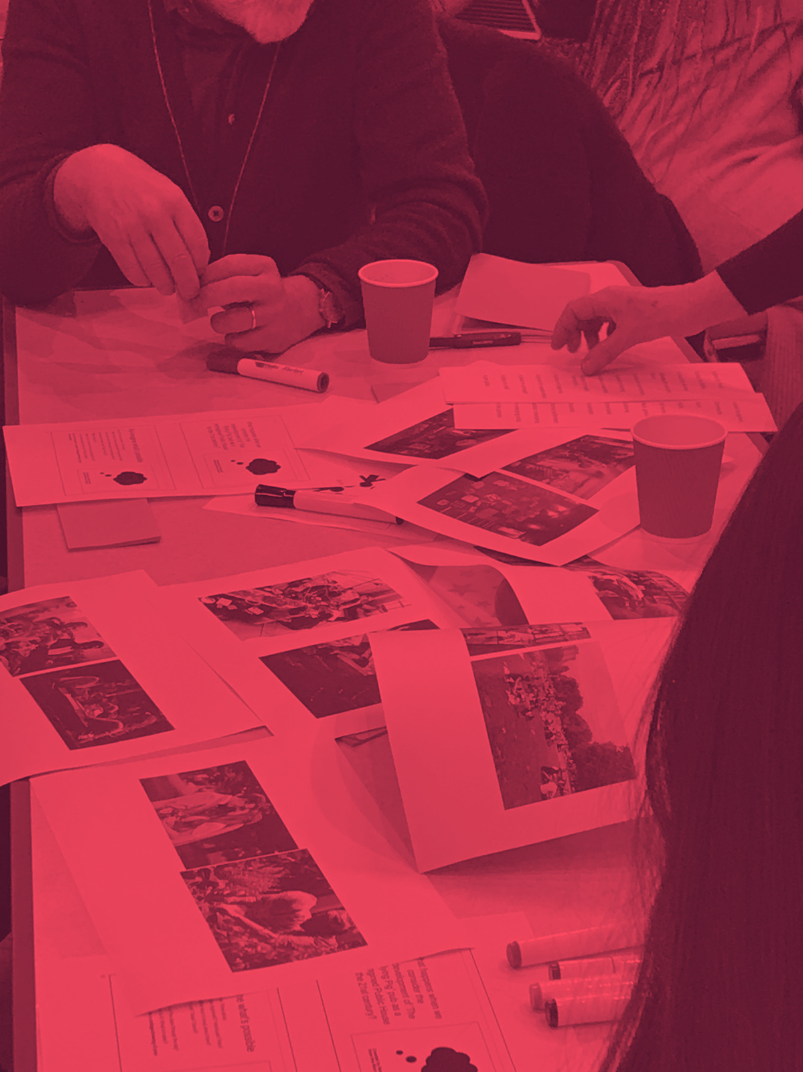
Thirteen two-hour sessions, every fortnight, with guided work and peer groups between sessions. Each session builds on the last and adds a layer to your Blueprint. Co-creation is at the heart of everything.
-
Mon 2 Nov, 4 - 6pm | Finding and Living Our Story as Changemakers
You map where your mental models about change came from and begin building your crew's cultural code. You clarify your goals and how you'll hold each other accountable.
Blueprint layer: ecosystem map
-
Mon 16 Nov, 4 - 6pm | Harnessing Our Power
You develop the ability to identify power dynamics in any room, including your own, and build practical frameworks for moving from power-over to power-with.
Blueprint layer: power dynamics map.
-
Mon 30 Nov, 4 - 6pm | From Conflict to Tension
You reframe conflict as creative tension, learn to analyse productive disagreement, and practise three principles for starting difficult conversations differently.
Blueprint layer: conflict and tension log
-
Mon 14 Dec, 4 - 6pm | Values and Boundaries
You clarify your core values, understand boundaries as living rather than fixed, and begin building shared group values with your crew.
Blueprint layer: values inventory and boundaries map
-
Mon 11 Jan 2027, 4 - 6pm | Participatory Decision Making
You learn and practise consent-based decision-making and frameworks that move beyond binary choices.
Blueprint layer: decision-making map
-
Mon 25 Jan 2027, 4 - 6pm | Find the Story: Deepened
You map your narrative constellation in depth, understand how stories are told, lived, and built, and practise four moves for shifting a narrative, with structured peer excavation of your own context.
Blueprint layer: narrative roadblock map
-
Mon 8 Feb 2027, 4 - 6pm | Tipping Points: Deepened
You build your tipping point map with real names and relationships, apply strong and weak ties to your strategy, and receive peer review.
Blueprint layer: tipping point map
-
Mon 22 Feb 2027, 4 - 6pm | Purpose, Goals and Metrics
You distinguish purpose from goals, find purpose from within your situation, and design impact measures — quantitative and qualitative — that actually serve purpose rather than flatten it.
Blueprint layer: purpose statement, goals, and impact measures
-
Mon 8 Mar 2027, 4 - 6pm | Build It Together: Part 1
Human-centred design in practice. You use empathy as an entry point to co-design, start with a person rather than a solution, and generate possibilities beyond the obvious.
Blueprint layer: co-design principles and methods
-
Mon 22 Mar 2027, 4 - 6pm | Build It Together: Part 2
Facilitation as a distinct craft. You practise holding structure and openness simultaneously, facilitate a live co-design exercise with the crew, and learn when to intervene and when to stay out.
Blueprint layer: facilitation plan
-
Mon 5 Apr 2027, 4 - 6pm | Community Design: Part 1
You explore what makes a group a genuine community, build community identity through values, and apply the principles of belonging — boundaries, initiation, rituals — to your scenario.
Blueprint layer: community design part 1
-
Mon 19 Apr 2027, 4 - 6pm | Community Design: Part 2
You develop the deeper infrastructure of community — temple, stories, inner rings — design equitable pathways for contribution, and look back across the six months.
Blueprint layer: community design part 2
-
Mon 3 May 2027, 4 - 6pm | Looking Back, Looking Forward
You present your complete Cultural Change Blueprint to the crew in peer mentoring format, build your 90-day pathway, and create a shared symbol for the journey.
Blueprint layer: all thirteen layers assembled and ready
Your Cultural Change Blueprint: Specific to your context
Every participant builds their own Blueprint across the thirteen weeks. It is a living plan, added to layer by layer from your own work throughout the programme. By Week 13 it becomes the framework for the work that follows.
01 Your ecosystem and power map
Where your mental models about change came from, and an honest picture of where power-over and power-with show up in your own work.
02 Your conflict, values and decisions map
A live tension named and understood at its root, your core values made explicit, and a concrete change to how decisions get made in your scenario.
03 Your narrative roadblock map
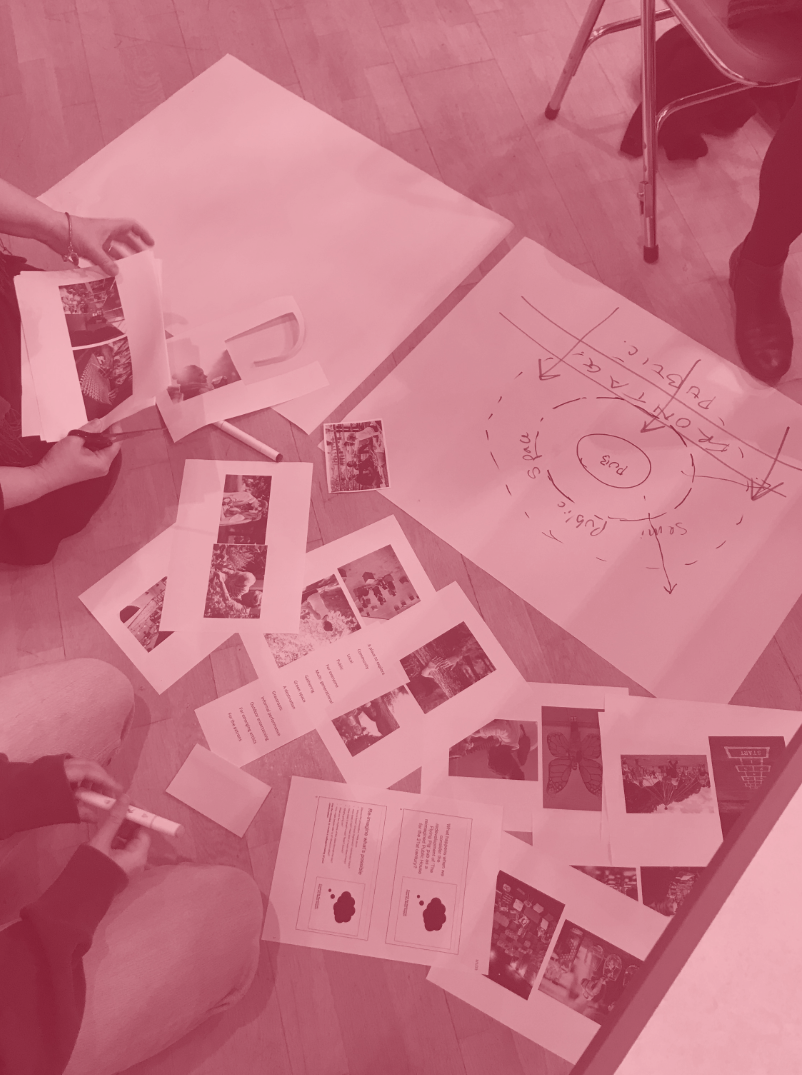
The dominant story blocking change in your specific scenario; its origins, the constellation of stories holding it in place, and your first real leverage point for shifting it.
04 Your tipping point people map
Who to gather in your context, what ties already exist, what bridges need building: values-informed, specific, and ready to act on.
05 Your purpose, co-creation and community framework
The animating purpose of your work, a working theory of change, a co-design practice you can facilitate with confidence, and the architecture of the community you're building or working within.
06 Your 90-day action pathway
Concrete, grounded next steps that turn intention into momentum, specific enough to act on the day you leave
Before
You have a real scenario — an organisation, a community, an initiative — and a growing sense that the thing stopping it isn't a strategy problem. But you don't yet have the tools to work at the level where the real blockage lives.
You're navigating genuinely complex group dynamics, but without a shared toolkit for doing it intentionally. When difficult moments arrive, you manage them as best you can. You know there's a more purposeful way through.
You carry frameworks such as narrative change, tipping points, and community design, but they live more in your head than in your practice. You haven't had the time, the space, or the right conditions to apply them to something real.
You do this work largely alongside people who agree with the vision but aren't building the same skills. The conversations are nourishing but they don't compound. Nothing accumulates.
After
You have a complete Cultural Change Blueprint built for your specific scenario: your ecosystem map, your power dynamics map, your narrative roadblock map, your tipping point strategy, your community design framework, and a 90-day pathway you can act on the day you leave.
You have a practical collaboration toolkit: the skills to surface power dynamics, work with conflict rather than around it, make decisions collaboratively, and facilitate co-design with genuine confidence in your own context.
You have used every framework on your own scenario, with a cohort giving you honest feedback and a fortnightly rhythm that builds in time to apply each layer before the next one arrives. The tools are no longer theoretical.
You have a community of practice: people who have worked through the same tools on their own real scenarios, who understand the terrain you're on, and whose relationship with you doesn't end when the programme does.
I’m Heather Thomas, the founder of Together Culture,
and I'm so glad you're here.
Whether you found us because something in your work keeps stalling despite your best efforts, or because you can see exactly what needs to change and can't yet find the lever,
I want you to know that I understand where you are.
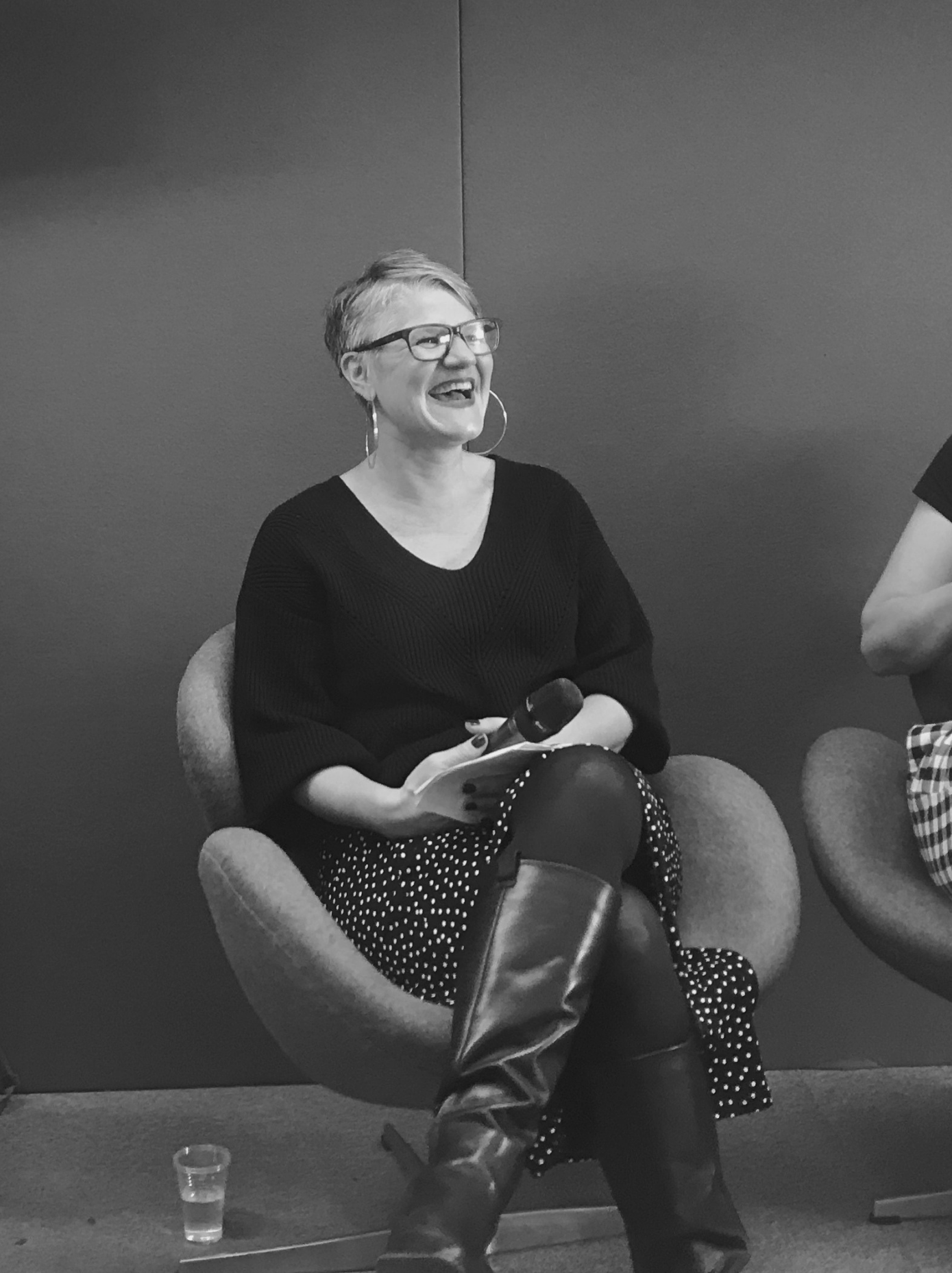
I've spent my career sitting at the intersection of culture and change. I studied history. Worked in cultural strategy, social change and tech for good. I got my MBA in Copenhagen to better understand how the system worked to try and change it. I studied the Nordic Food Movement, opened a cultural hub and wrote a book about how people could connect to their true nature as a part of nature through food culture.
And then one morning, five years ago, I woke up and discovered that my neighbourhood in Cambridge had been sold to a multinational private equity firm thousands of miles away. I lay there scrolling through the news thinking: how on earth did we get here? And what does it actually take to change things?
What I kept returning to was this: real change isn't about fighting for a seat at the table that already exists. To paraphrase the iconic feminist Gloria Steinem, it's about building a new table, with entirely different rules.
That's when Together Culture was born; in Cambridge, one of the most socially unequal cities in the UK. We built methods to get to the root of building a more inclusive and ecological economy: our culture. After all, it's our attitudes, values, and behaviours that limit or expand our reality. If we want complex change to happen, we have no choice but to change our culture.
That’s exciting, because from that point of view you don't have to be a policy wonk to be an economist. Policy wonks don't shape our culture; we all do, each and every day.
And culture, that I know. I'm a social scientist working on my PhD to better understand how culture change at the neighbourhood scale creates the tipping points that make a regenerative economy real.
We’re all economists now. I trust you are ready to stop absorbing the resistance and start working with the power you already have. So you can build the skills, the tools, and the relationships to make an economy that enables all of life to thrive.
What you need to know before you join
-
Format
Live online via Zoom. 13 two-hour sessions, every fortnight. Guided video work and peer groups between sessions.
-
Cohort size
6 people in your crew, chosen for their courage to think differently and their willingness to see the world from a new angle. Built for people working across different cities and contexts so the crew can be genuinely diverse without anyone having to travel.
-
Investment
£1,500 + VAT. Instalment payments and solidarity pricing available. If cost is a consideration, reach out before deciding not to apply: heather@togetherculture.com
-
Time commitment
Two hours per fortnight live, plus a short guided video and Blueprint work between sessions. Around 3 to 4 hours per fortnight in total.
-
What you need
A real change scenario you're working with. A device with camera and microphone. The readiness to be genuinely in the weeds of your own work.
-
What you leave with
Your Cultural Change Blueprint. A 90-day action pathway. A cohort and community of practice you carry beyond the programme.
The work is long-term.
The beginning is now.
If you've read this far, you already know the change you're working toward is necessary. Groundwork gives you the foundations, the frameworks, and the crew to move it forward with skill and with care.
£1,500 + VAT
Installment payments and solidarity pricing available
— if cost is a barrier, email us first: heather@togetherculture.com