
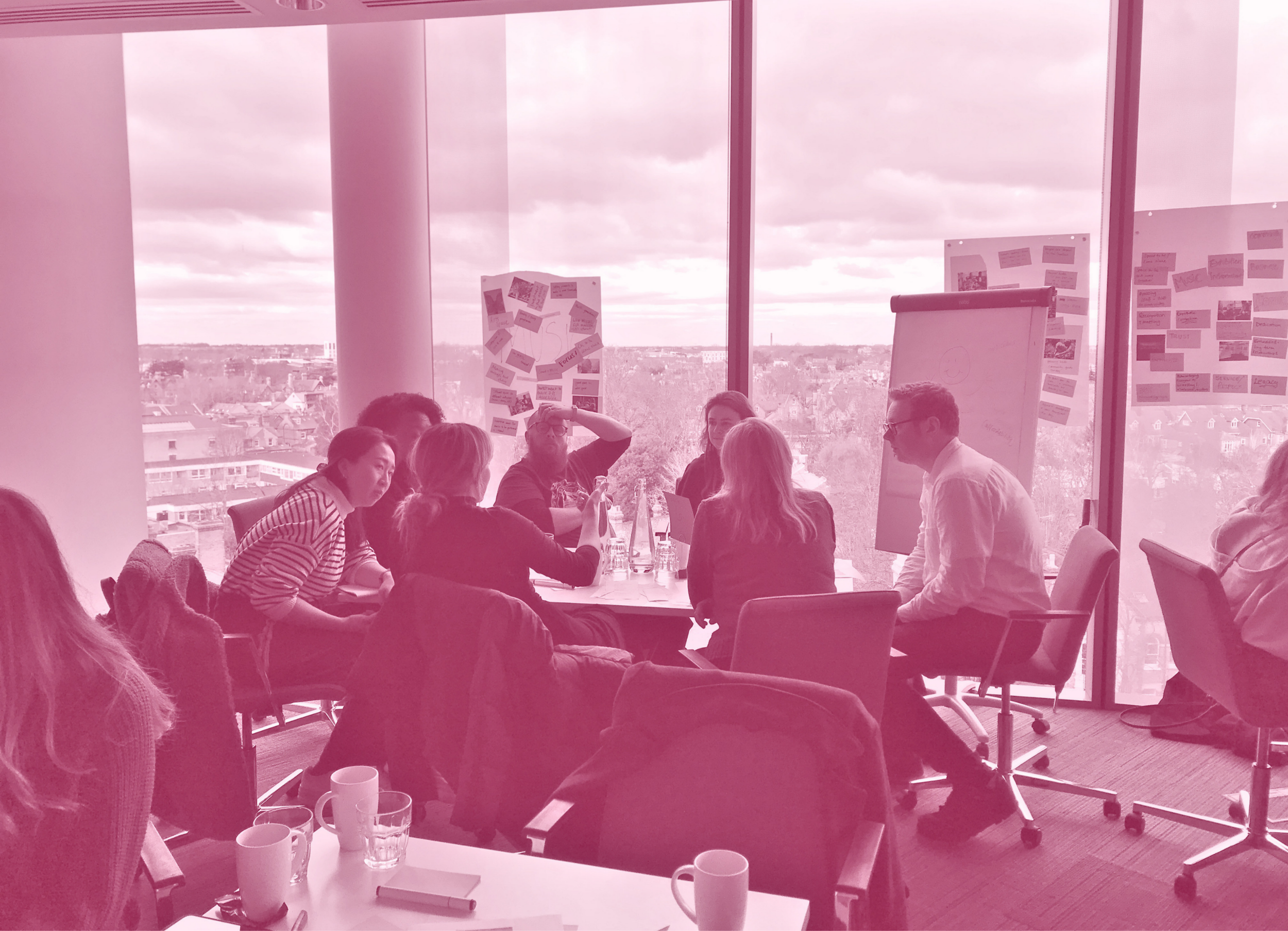
A free workshop for people working toward a different economy in their organisation, their community, or their neighbourhood.
Find the Story
Why regenerative work stalls, even when everyone wants the same outcome.
How you can find the cultural story blocking progress and shift it.
Free workshop · 90 minutes · Live online · Max 10 participants
You're in a meeting. The idea lands well. People nod. Someone says they're excited to move forward. And then, somehow, nothing happens. The next meeting covers the same ground. The energy dissipates. Things stall.
It's easy to assume the problem is the strategy, or the people, or the timing. But most of the time, the thing blocking change runs deeper than any of those.
Every organisation and community runs on invisible stories about what's possible, who has the power to decide, and what's realistic. Those stories aren't facts. But they operate like facts. And they're running in the background of every meeting, every initiative, every attempt to build something genuinely different.
Once you can see the cultural story in play, name it, and understand where it came from, you have something you didn't have before: a way in.
-
Yu-Shan Chiu
Director of Practice and Innovation
'Thank you so much for the beautiful session today. I feel I’ve learned a lot in just under two hours about my mental model and the stories (or “lies”) we’ve been told by institutions beyond our direct reach, while knowing some ways to build a counter story.'
-
Cindy Wegner
Interdisciplinary artist and researcher
'Thank you again for this very insightful workshop today! Grateful to have met such an inspiring group! It even helped me right away and gave me focus for a meeting I had afterwards.'
The economy isn't a law of nature. It's a story. And stories can be rewritten.
Most of us grew up being told the economy is too complicated for ordinary people to touch. That it's run by experts, driven by forces beyond our control, and that the best we can do is work within it.
That story isn't true. But it's incredibly persistent. And it's running in the background of almost every organisation trying to build something different, including yours.
Find the Story gives you the tools to find it, name it, and start shifting it.
What happens in the session
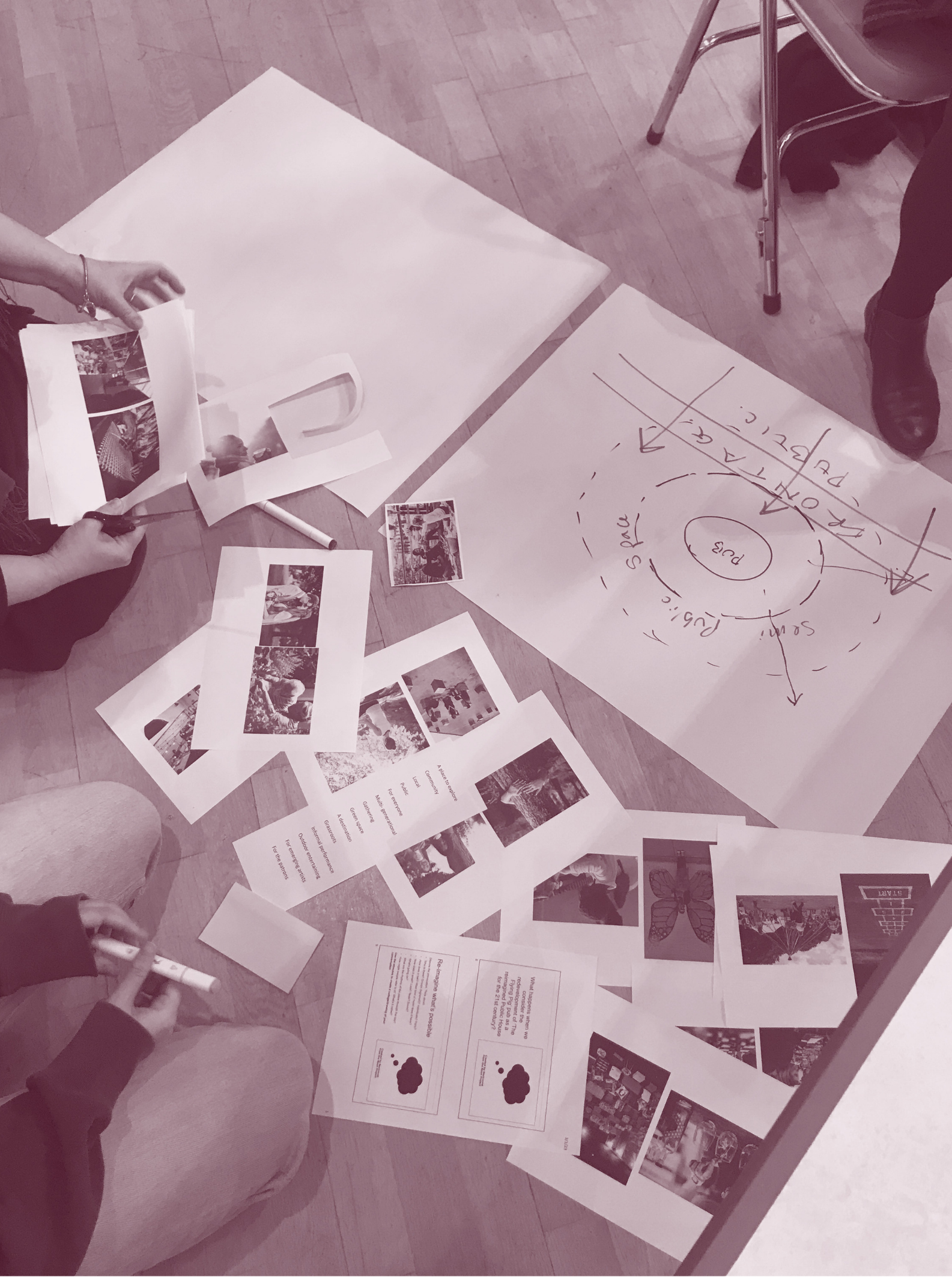
Find the Story is a 90-minute live digital workshop built around one practical methodology: the Narrative Roadblock Map. Here's how we build it together.
The Stories We Carry About the Economy
We surface the economic stories still running in your own thinking, in real time, without judgement. Most people find at least one that surprises them.
Why They're So Hard to Shift
We look at how the same stories operate inside the organisations and communities you're trying to change, and why they're so persistent even when everyone says they want things to be different.
Your Narrative Roadblock Map
The practical output you build and leave with: the specific story blocking change in your context, where it came from, what it's protecting, and where it's most open to shifting. Yours to use the very next day.
Where Those Stories Came From
We trace where those stories came from: home, school, the organisations you've worked in, the culture around you. Understanding the source is the first step to shifting it.
How Beliefs Actually Change
Not through argument or better data, but through proximity, trust, and shared experience. We look at what that means practically for the work you're trying to do.
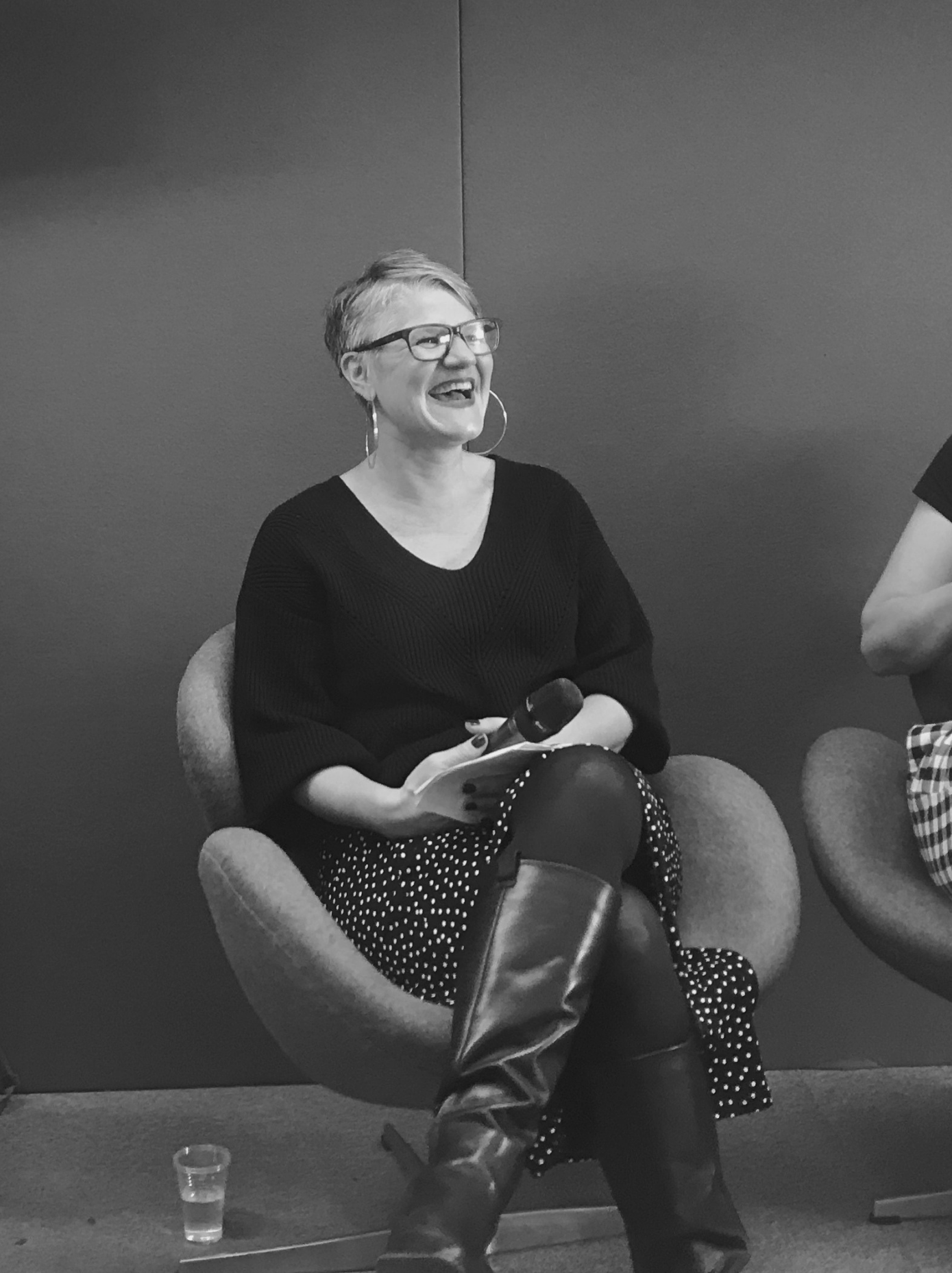
I’m Heather Thomas, the founder of Together Culture, and I'm so glad you're here.
Whether you found us because something in your work keeps stalling despite your best efforts, or because you can see exactly what needs to change and can't yet find the lever, I want you to know that I understand where you are.
I've spent my career sitting at the intersection of culture and change. I studied history. Worked in cultural strategy, social change and tech for good. I got my MBA in Copenhagen to better understand how the system worked to try and change it. I studied the Nordic Food Movement, opened a cultural hub and wrote a book about how people could connect to their true nature as a part of nature through food culture.
And then one morning, five years ago, I woke up and discovered that my neighbourhood in Cambridge had been sold to a multinational private equity firm thousands of miles away. I lay there scrolling through the news thinking: how on earth did we get here? And what does it actually take to change things?
What I kept returning to was this: real change isn't about fighting for a seat at the table that already exists. To paraphrase the iconic feminist Gloria Steinem, it's about building a new table, with entirely different rules.
That's when Together Culture was born; in Cambridge, one of the most socially unequal cities in the UK. We built methods to get to the root of building a more inclusive and ecological economy: our culture. After all, it's our attitudes, values, and behaviours that limit or expand our reality. If we want complex change to happen, we have no choice but to change our culture.
That’s exciting, because from that point of view you don't have to be a policy wonk to be an economist. Policy wonks don't shape our culture; we all do, each and every day.
And culture, that I know. I'm a social scientist working on my PhD to better understand how culture change at the neighbourhood scale creates the tipping points that make a regenerative economy real.
We’re all economists now. I trust you are ready to stop absorbing the resistance and start working with the power you already have. So you can build the skills, the tools, and the relationships to make an economy that enables all of life to thrive.
What shifts when you stop trying to reach everyone
-
You stop losing time to the same circular conversations
You stop losing hours in meetings that circle the same ground and start understanding why the ground keeps shifting back.
-
You can name what you couldn't before
You have language for something you could feel but couldn't name. That changes every conversation you have about this work.
-
You stop waiting and start working
You stop waiting for the conditions to be right and start understanding what it would actually take to create them.
Before
You can feel something pulling back but you don't have the language to name it or show others where it's coming from.
You keep hitting the same wall in meetings, in funding conversations, in initiatives that start well but stall, and you're not sure what's actually causing it.
You're working with ideas you believe in deeply but don't yet have a framework to apply them in a specific place with specific people.
You're doing this largely alone, without colleagues who share the same way of seeing what's happening.
After
You have precise language for something you could feel but couldn't name. That changes every conversation you have about this work.
You understand what's actually generating the resistance, not at the level of behaviour or strategy, but underneath it, where the story lives.
You have a practical tool built from your own context, ready to use in your next meeting, your next funding conversation, your next attempt to move something forward.
You leave with a small network of people who see what you see and are working on the same thing.
What People Are Saying
"Find the Story and narrative constellation mapping shifted something in me. It helped me to see things that are not on the surface. It is the beginning of something."
"Find the Story made me more aware of how the stories we carry shape everything, in terms of how we are all complicit in not shifting the big economic story! It made me want to explore my ancestry and where the stories I carry (and who in my life has tried to change them). I think it will be powerful in my work."
"Find the Story has given me more confidence to start working with my community, and the tools to do that powerfully."