
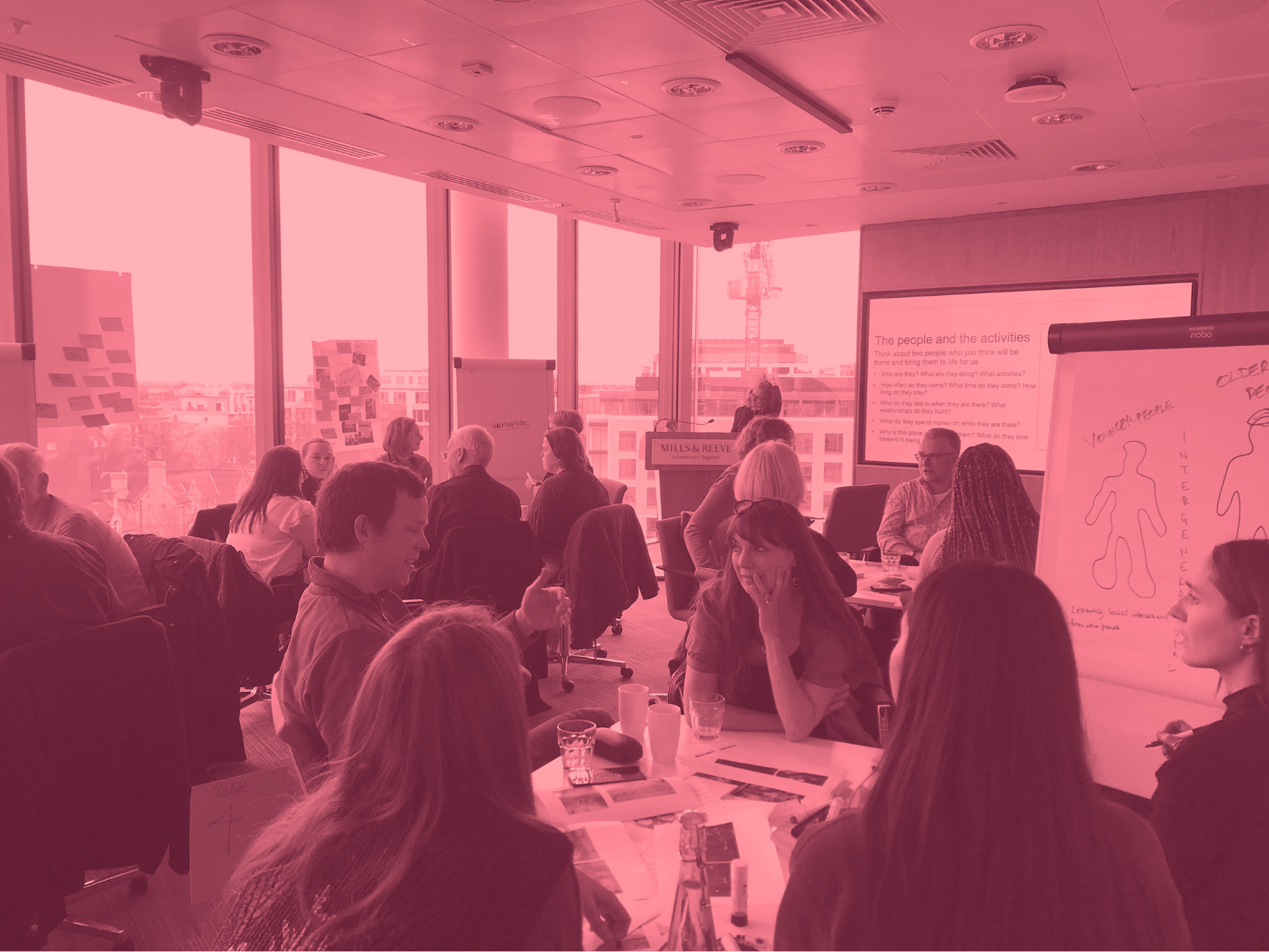
A workshop for people working towards a different economy in their organisation, their community, or their neighbourhood.
Build it Together
Design thinking and co-creation in practice.
In 2 hours, discover what it actually feels like to start with a person rather than a solution, and why that changes everything about how change gets made.
£37 · 2 hours · Live online · Max 10 participants
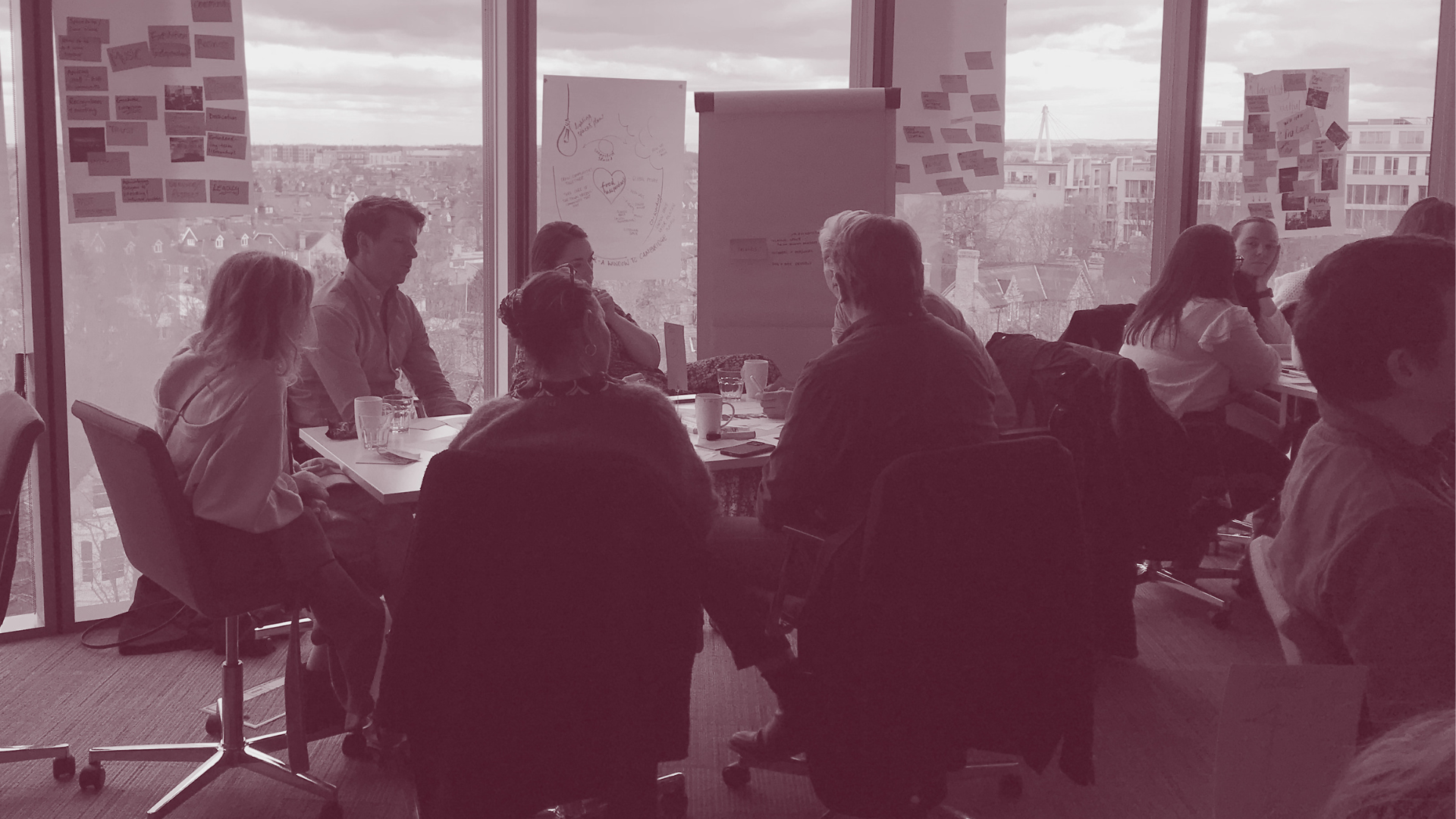
What would it look like to build change with people rather than for them?
Human-centred design starts with people. It's a way of working that puts the people this change belongs to at the centre of every decision, from the very beginning, and builds solutions through listening, making, and learning together rather than planning in advance.
Build it Together takes you through the full human-centred design cycle in two hours, giving you a practical method for building change with your people, whatever context you're working in.
You’ll leave with:
A first-hand experience of the full human-centred design cycle, applied to a real challenge in the new economies space.
A felt sense of what it means to design with someone rather than for them.
A method you can apply immediately, in your organisation, your community, or your next attempt to build something genuinely different.
A small network of people doing the same work, who you've built something alongside rather than simply met.
Most of us have been in the room where everyone agrees something needs to change. We've written the proposals, made the case, designed the initiative. And somewhere between the idea and the reality, something got lost.
Not because the thinking was wrong, but because the people this change was meant for weren't quite part of building it.
We've been exploring what happens when that changes. When the people this work belongs to are in the room from the very beginning, co-creating what gets made rather than responding to what's already been decided. What emerges is something more honest, more rooted, and more likely to last, because it was never just one person's idea of what was needed.
That's what this workshop is for, and so is the room itself. By the end of two hours you’ll have a new method, and you'll have made something real alongside a small group of people working on the same questions.
What happens in the session
Build it Together is a 2-hour hands-on workshop that brings together design thinking and co-creation: one gives you a practical process for building change, the other ensures that process stays genuinely participatory from start to finish. Here's how we move through it together.
Finding Your Footing Together
We start with a moment to connect: who's in the room, where you're coming from, and why you're here. The people you work alongside in this session are part of what you're building. That begins now.
Building Empathy with Your Partner
You interview each other in two rounds, going deeper each time. You're looking for stories, feelings, and moments that reveal what someone truly needs, beyond what money can simply provide.
Generating possibilities
You sketch as many possible responses as you can, quickly and visually. Volume over quality. The goal is to get beyond the obvious first idea and into territory you couldn't have reached by thinking alone.
Learning by doing
We come back together to reflect on what just happened. What did you discover about your partner that surprised you? What did making something reveal that planning couldn't? We connect the experience to the principles of human-centred design and to the specific question of how these methods help a new economy emerge, embed, and evolve.
Listening as a Practice
Before the work begins, we take a moment to practise the kind of listening that co-creation depends on: noticing patterns, metaphors, shifts in energy, the things people emphasise and the things they leave unsaid. We slow down enough to hear what's there.
Focusing in
From what you've heard, you distil your partner's goals and wishes into a single, specific challenge: one real person, one real need, in their own words.
Making something real
You build something your partner can step into and react to. It might be a service, an experience, a relationship, an invitation, a policy sketch, or something else entirely. Scrappy is fine. The value is in what it draws out.
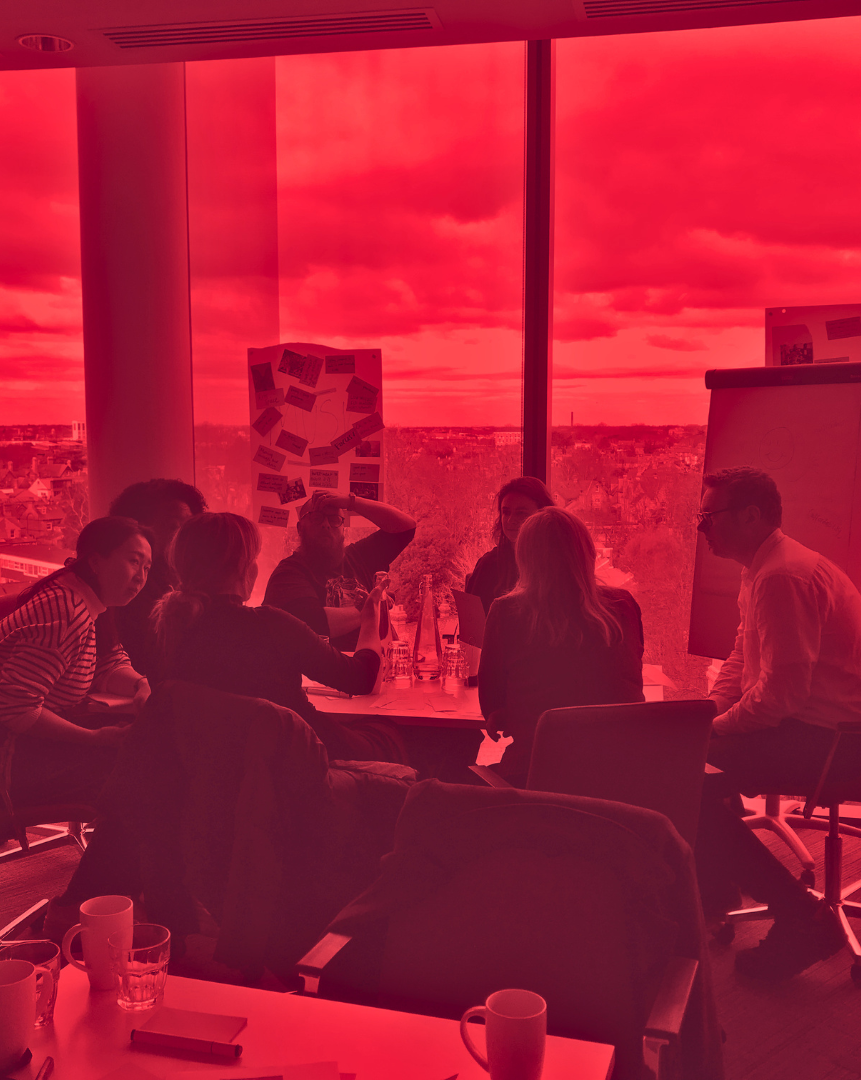
This is for you if
You work on community wealth building, cooperative development, systems change, or regenerative economics and want practical tools for co-designing with your people
You're inside an organisation that tends to design solutions without involving the people those solutions affect, and you want a method for doing it differently
You're drawn to the idea of human-centred design but haven't yet had a chance to experience it in practice
You believe a different economy is possible and want to understand how the process of building it can embody its values from the very beginning
Before
You design changes for the people you're trying to serve, based on what you think they need.
You plan carefully before you make anything, and find the plan is already out of date by the time you use it.
You work largely alone or within a small team, without a shared method for bringing others into the process.
After
You start with the person, not the solution, and design with them rather than for them.
You have a repeatable process for moving from empathy to action in a way that stays connected to real human need throughout.
You know that making something imperfect and testing it teaches you more than planning ever could.
You have a method you can bring back to your organisation or community and use immediately.
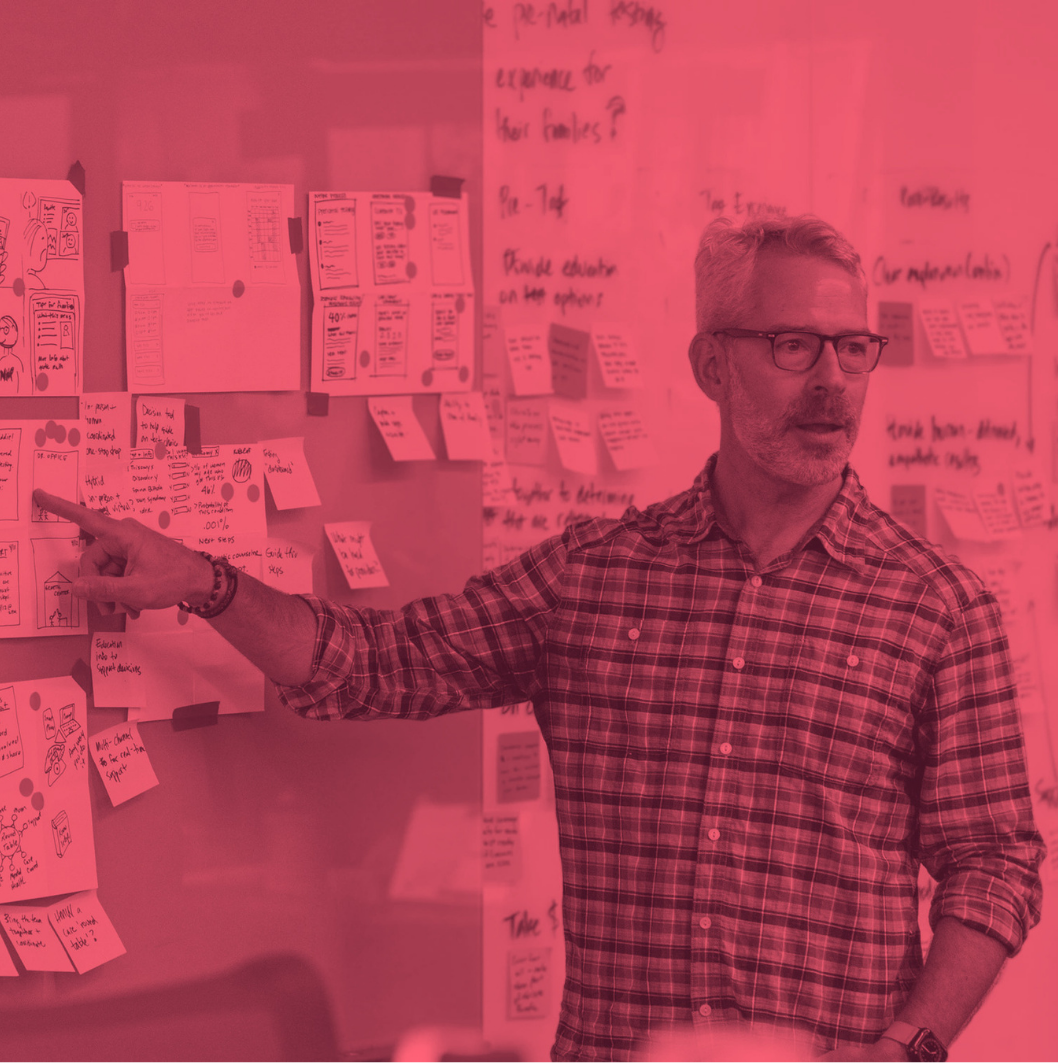
I'm Mark Buccella, design strategist and co-facilitator at Together Culture.
Whether you're drawn to co-creation as an idea but haven't yet had a chance to experience it, or you've felt the difference it makes and want to go deeper, this session is built for where you are.
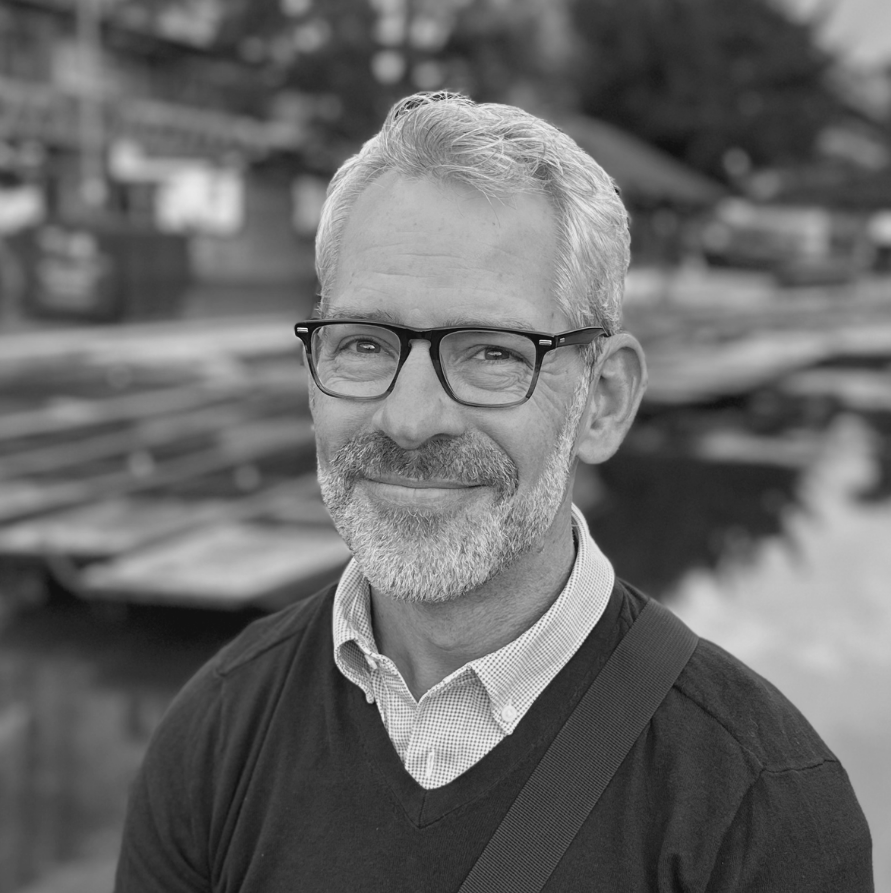
I’ve spent twenty five years helping teams in healthcare, education, and energy solve problems they didn't think they could solve, using design thinking and co-creation as the tools. What I kept finding, across every sector and every challenge, was the same thing: the people closest to a problem are almost always closest to its solution. The missing piece was rarely better strategy or smarter leadership. It was a process for genuinely listening to the right people and building with them rather than for them.
That's what brought me to Together Culture. Because the question we keep returning to is this: what happens when you apply those same methods not just to products or services, but to the economy itself? To the way communities organise, meet each other's needs, and decide together what's possible?
The economy isn't a fixed system handed down from above. It's a human creation, shaped by the attitudes, values, and behaviours of the people living inside it. Which means it's something we can redesign. Not by waiting for policy to catch up, but by changing the culture, the shared assumptions about how things work and who gets to shape them, from the ground up.
That's the work Together Culture exists to do. And co-creation is one of the most powerful tools we have for doing it, because it starts from the belief that everyone has something essential to contribute.
You don't have to be an economist to help build a different economy. You just have to be willing to show up, listen carefully, and create something together that none of you could have made alone. That's what we're here to practise together.
What shifts when you work this way
-
You stop designing for assumptions
When you start with genuine listening, you stop solving the problem you imagined and start solving the one that's actually there.
-
You make things you can learn from
A rough prototype tested with one real person tells you more than a polished plan presented to a room. That shift in how you work changes everything downstream.
-
You bring others into the process
Human-centred design is inherently participatory. Once you've experienced it, you have a tool for making that real in every context you work in.
£37. 2 hours.
A method you can use immediately.
Build it Together is kept small so the work stays real and relational. Maximum 10 participants.
Build it Together.
Solidarity pricing available — if cost is a barrier, email us first: heather@togetherculture.com